
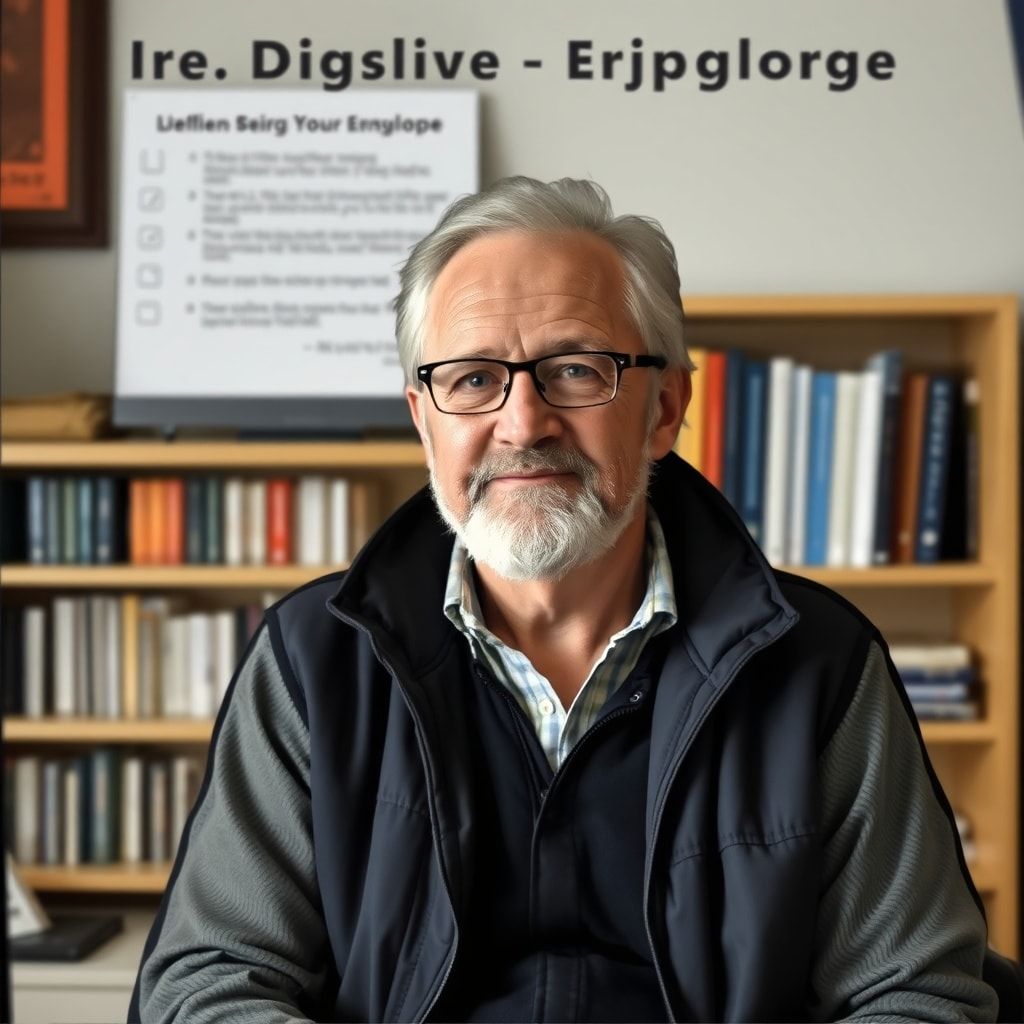
The Digital Epilogue: Ian von Memerty’s Public Farewell and the Uncharted Ethics of End-of-Life Documentation on Social Media
In an age where personal lives are increasingly lived out in the public square of social media, the story of Ian von Memerty stands as a stark and compelling landmark. His decision to document his choice to die through a 15-part Facebook series transcended mere personal sharing; it became an unprecedented digital epilogue, forcing society to confront uncomfortable truths about mortality, autonomy, and the ethical responsibilities of online platforms. This investigative piece delves into the profound implications of von Memerty’s public farewell, examining the evolving landscape of end-of-life narratives in the digital age, the ethical quagmires faced by social media giants, and the indelible mark left on both the audience and the broader societal discourse.
The Digital Confessional: A New Frontier for End-of-Life Narratives
For centuries, the contemplation and preparation for death remained largely private affairs, confined to personal letters, wills, and intimate conversations with loved ones. The advent of social media has irrevocably altered this paradigm. Platforms initially conceived for sharing everyday moments – holiday photos, family updates, trivial musings – have inadvertently morphed into digital confessionals, providing a stage for life’s most profound and final acts. Ian von Memerty’s Facebook series exemplifies this seismic shift, transforming a deeply personal journey into a public narrative unfolding in real-time. This move from private grief to public discourse reflects a burgeoning human impulse to document, to be seen, and to leave a lasting mark, even as life itself concludes. The immediacy, potential interactivity, and perceived permanence of social media posts offer a stark contrast to traditional farewells, creating a new form of digital legacy that is both raw and widely accessible. Unlike a posthumously discovered diary or a letter filed away, a public social media series invites an audience ranging from close friends and family to distant acquaintances and complete strangers, all witnessing a journey towards its ultimate conclusion. This curated performance of self, even in moments of ultimate vulnerability, raises critical questions about the nature of modern farewells and the boundaries between personal and public grief.
Ethical Quandaries and Social Media Platforms
The case of Ian von Memerty throws into sharp relief the significant ethical quandaries confronting social media platforms. What responsibility do companies like Facebook bear when users opt to share such deeply personal, emotionally charged, and potentially distressing content related to end-of-life choices? The challenge for content moderation is immense: distinguishing between genuine self-expression, a cry for help that warrants intervention, or the dignified documentation of a deeply considered personal decision. Social media platforms often have stringent policies against content promoting self-harm, yet the nuance required for a series documenting a terminal illness journey or a philosophical choice to end one’s life often falls into a grey area. There is an undeniable tension between respecting individual autonomy and safeguarding vulnerable users. The tools, whether AI-driven algorithms or human moderators, are frequently ill-equipped to navigate these complexities, leading to inconsistent application of policies and a patchwork approach across different platforms. The absence of standardized protocols for managing such sensitive content creates an ethical vacuum, leaving platforms to grapple with unprecedented situations with potentially far-reaching psychological and social ramifications for their vast user bases.
The Audience’s Dilemma: Witnessing a Public Farewell
The impact of a public farewell series, such as von Memerty’s, extends far beyond the individual making the choice; it profoundly affects the audience. For those following the 15-part narrative, whether they were close friends or complete strangers, the experience can evoke a complex spectrum of emotions: helplessness, profound grief, empathy, and at times, a uncomfortable sense of voyeurism. The digital space blurs the lines between active participation and passive observation, pulling individuals into a narrative over which they have no control. Processing such content is a deeply personal and often challenging endeavor; some may find solace, understanding, or even inspiration in the honesty, while others may find it profoundly disturbing, triggering their own anxieties about mortality or loss. Furthermore, these public narratives can foster unique online communities, where individuals gather to offer support, share reflections, or, conversely, engage in judgment and debate. This phenomenon gives rise to the concept of ‘digital grief,’ a form of bereavement that differs significantly from traditional grieving processes. When a farewell is public, ongoing, and unfolds in a shared digital space, the collective experience of loss takes on new dimensions, extending the grieving process beyond immediate family and friends to a broader, often anonymous, audience, creating a new challenge for emotional processing and support networks.
Societal Discourse: Dignity in Death and the Right to Choose
Ian von Memerty’s highly publicized narrative inevitably intertwines with the contentious global debates surrounding the right to die, assisted dying, and euthanasia. Personal stories, particularly those shared with such candor and detail on public platforms, possess an extraordinary power to humanize complex ethical and legal issues. They can galvanize public opinion, raise critical awareness, and directly challenge existing legislative frameworks and societal taboos surrounding death. Von Memerty’s series, irrespective of individual views on his choice, serves as a potent example of how a deeply personal decision can transcend the individual, becoming a catalyst for broader societal reflection on individual autonomy versus the sanctity of life. Media, both traditional and social, plays an indispensable role in shaping this discourse. A single personal narrative, widely disseminated, can shift from being merely an individual’s story to a powerful political and ethical statement, compelling societies to re-examine their stances on end-of-life care and the boundaries of personal freedom. The legal and ethical landscapes vary dramatically across different jurisdictions, and these public narratives serve as poignant reminders of the ongoing global struggle to reconcile individual desires for dignity in death with diverse cultural, religious, and legal prohibitions.
The Power and Peril of Personal Narratives in the Digital Age
The profound impact of Ian von Memerty’s Facebook series underscores both the immense power and inherent peril of personal narratives in the digital age. The power lies in the ability of such stories to humanize abstract debates, to reduce the stigma often associated with terminal illness and end-of-life planning, and to foster greater empathy and understanding of suffering and choice. Such candid accounts can inspire difficult but necessary conversations within families, among friends, and across society, prompting introspection on our own mortality and wishes. They can also serve as a form of advocacy, highlighting gaps in care or legislative provisions for those seeking greater control over their final moments. However, this power is balanced by significant perils. There is an ever-present risk of misinterpretation, sensationalism, or the potential for such narratives to be inadvertently seen as a template or encouragement for others facing distress, regardless of their specific circumstances. The fine line between advocating for dignity and inadvertently promoting a particular path is incredibly delicate. Furthermore, the lasting digital footprint of such a public farewell raises complex questions about legacy, memory, and the emotional burden on surviving family members who must contend with a permanent, public record of a loved one’s final days. The internet’s indelible nature ensures that these stories persist, continuing to evoke discussion and emotion long after their initial publication, impacting future generations.
Conclusion
Ian von Memerty’s 15-part Facebook series is far more than a personal account of a man’s ultimate choice; it is a profound cultural artifact of our digital age. It compels us, as a society, to confront uncomfortable truths about mortality, individual agency, and the increasingly intertwined relationship between our private lives and public platforms. As investigative journalists and as members of an interconnected society, we are tasked with dissecting these narratives not for sensationalism, but for understanding. This case demands a call for more robust ethical frameworks from social media companies, greater empathy from audiences, and a nuanced public discourse that moves beyond simplistic judgment. We must learn to navigate the uncharted territory of death in the digital era with sensitivity, intelligence, and respect for the complex interplay of personal choice, public platforms, and societal reckoning. Von Memerty’s story serves as a potent reminder that even in our final moments, the human desire for connection, understanding, and to leave a personal mark persists, finding new, sometimes challenging, avenues for expression in an ever-evolving digital landscape.