
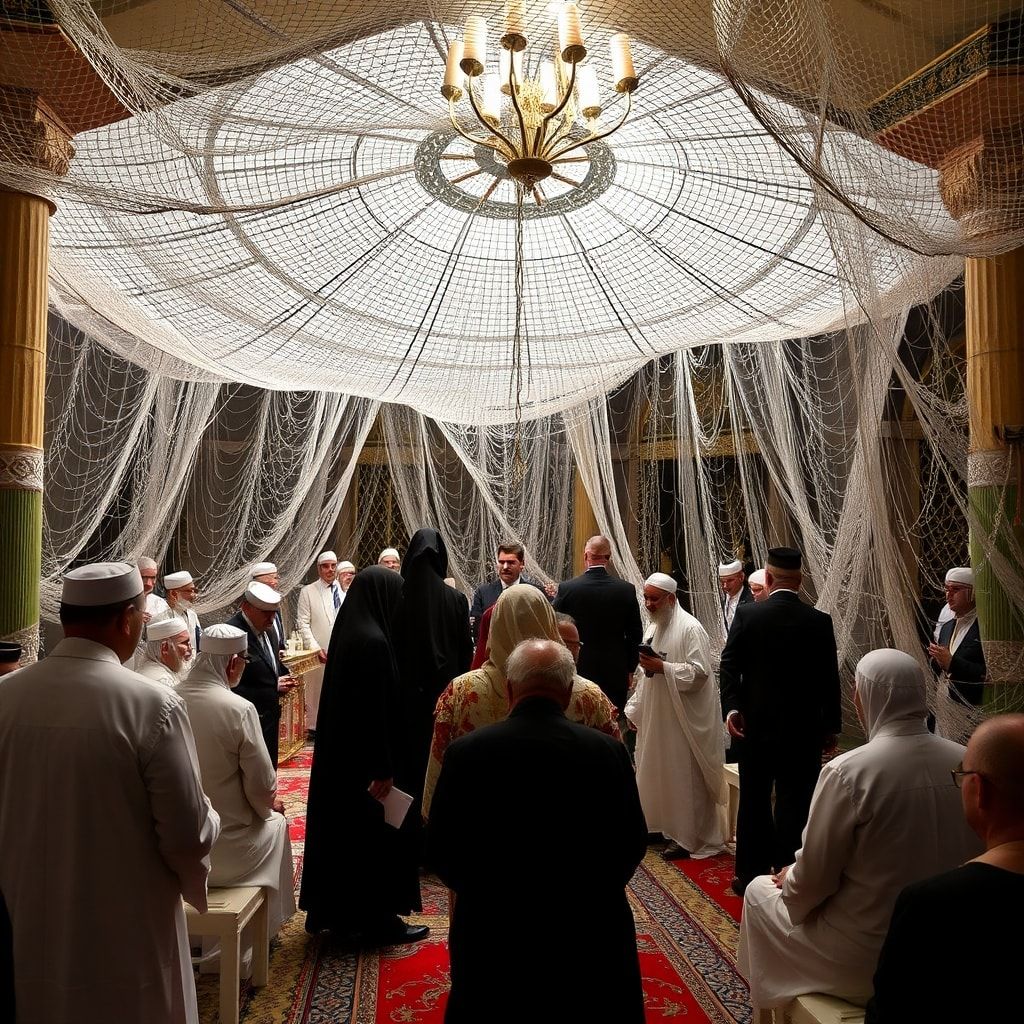
The recent official statement, highlighting the need for more **Tehran Ceremony Preparations** for the supreme leader’s three-day lying in state, unveils a critical juncture for Iran. This declaration is more than a logistical update; it’s a window into the profound political, social, and spiritual complexities facing the nation. The meticulous planning for such an event is a testament to its unparalleled significance, both domestically and on the global stage.
Such a ceremony is not merely a funeral; it is a meticulously choreographed display of national unity and continuity. Every detail, from the procession routes to the security arrangements, carries immense symbolic weight. The world watches keenly as Iran prepares for this monumental occasion.
The Significance of Tehran Ceremony Preparations
The passing of a supreme leader represents a seismic event in Iran, affecting every strata of society. It marks not only a period of profound national mourning but also a pivotal moment of political transition. The preparations reflect the nation’s spiritual and emotional investment in its leadership.
A Nation in Mourning and Transition
For millions of Iranians, the supreme leader embodies both spiritual guidance and national identity. Their passing triggers a deeply personal and collective outpouring of grief. The ceremony offers a structured outlet for this widespread emotion.
It also signifies a critical phase in the country’s political evolution. While succession protocols are established, the actual transition of power is a period of intense observation and potential introspection for the leadership.
The **Tehran Ceremony Preparations** are thus designed to manage public sentiment and ensure a smooth, dignified passage of authority. It is about both mourning a figurehead and affirming the resilience of the system.
Protocol and Prestige
State funerals for figures of such elevated stature are governed by strict protocols and ancient traditions. These rituals are carefully observed to uphold the dignity of the office and the prestige of the state.
The grandeur of the ceremony communicates strength and stability to both domestic and international audiences. It is a powerful message that Iran remains steadfast, even in moments of profound change.
Every aspect of the event, from the religious rites to the public accessibility, is planned to project an image of unwavering national resolve. This meticulous attention to detail is paramount.
Unpacking the “More Preparations Needed” Statement
The official’s comment about requiring “more preparations” warrants closer scrutiny. It suggests challenges extending beyond mere logistical hurdles, hinting at deeper considerations. This phrase can be interpreted in several ways, each with significant implications.
Logistical Challenges
Organizing a three-day ceremony that could draw millions of mourners in a sprawling metropolis like Tehran presents monumental logistical challenges. Crowd control, security, and public health are paramount concerns.
Ensuring smooth transportation, providing adequate facilities, and maintaining public order across such a vast gathering requires intricate coordination. Many governmental and religious institutions must work in unison.
The scale of the expected attendance alone necessitates extensive planning for infrastructure, medical support, and emergency services. These **Tehran Ceremony Preparations** are an enormous undertaking.
Political Subtext and Power Dynamics
Beyond the practicalities, the statement might carry a political subtext. It could signal a desire for absolute flawlessness in a moment when national unity is being showcased.
Perhaps it implies ongoing discussions or refinements regarding the delicate balance of power during the transition period. Such an event is a test of the regime’s cohesion.
The call for more preparations could also be a subtle directive, emphasizing the importance of this event to various factions within the political establishment. It underscores the high stakes involved.
Historical Context: Precedents and Traditions
Iran has a rich history of public mourning and state ceremonies, particularly following the passing of significant religious and political figures. These precedents heavily influence contemporary planning.
Past State Funerals and Their Impact
The funeral of Ayatollah Ruhollah Khomeini in 1989 serves as a potent historical benchmark. It drew unprecedented numbers of mourners, highlighting the deep emotional connection between the populace and its leader.
That event provided invaluable lessons in managing immense crowds and maintaining order amidst intense grief. Its legacy undoubtedly shapes current **Tehran Ceremony Preparations**.
Understanding these past events helps to contextualize the scale and emotional intensity expected for the upcoming ceremony. The traditions run deep within Iranian society.
The Role of Symbolism
Symbolism plays an extraordinarily vital role in Iranian political and religious culture. The lying-in-state ceremony is replete with symbolic gestures designed to reinforce legitimacy and spiritual authority.
The public display of grief, the religious rituals, and the procession itself are all powerful symbols of continuity, faith, and national steadfastness. They aim to consolidate public support.
Through these ceremonies, the state reinforces its narrative and connects with the spiritual foundations of the Islamic Republic. It is a visual and emotional reaffirmation of core values.
Regional and International Implications
The world watches Iran with considerable interest, particularly during moments of leadership transition. The upcoming ceremony will send powerful messages beyond its borders.
Message to the World
Iran will meticulously craft the optics of the event to project an image of stability and resilience to the international community. This is crucial during times of regional tension.
The ceremony will be an opportunity to demonstrate the institutional strength of the Islamic Republic, suggesting that it can navigate transitions smoothly. It aims to counter narratives of instability.
How the **Tehran Ceremony Preparations** unfold will be closely scrutinized by allies and adversaries alike, seeking clues about Iran’s future trajectory and internal cohesion.
Internal Cohesion and Stability
Domestically, the ceremony serves as a powerful unifying force, aiming to rally the population around the state during a sensitive period. It seeks to transcend political divides through shared mourning.
While potential internal challenges or dissenting voices always exist, such national events are designed to underscore collective identity and minimize discord.
The successful execution of these extensive preparations is paramount for maintaining national morale and demonstrating governmental efficacy in a time of potentially heightened emotion.
Conclusion
The official’s call for “more preparations” for the supreme leader’s three-day lying in state ceremony in Tehran resonates with significant implications. It underscores not just the logistical demands but also the profound political and social weight of the impending event. These **Tehran Ceremony Preparations** are a complex tapestry woven with threads of tradition, national identity, political messaging, and deep-seated reverence.
As Iran prepares to bid farewell to its supreme leader, the meticulous planning for this ceremony transcends a mere funeral. It serves as a critical barometer of the nation’s internal stability, its ability to navigate transition, and its strategic communication to a watchful global audience. The coming days will unfold a chapter in Iran’s history, shaped by these intricate preparations and their far-reaching consequences.