
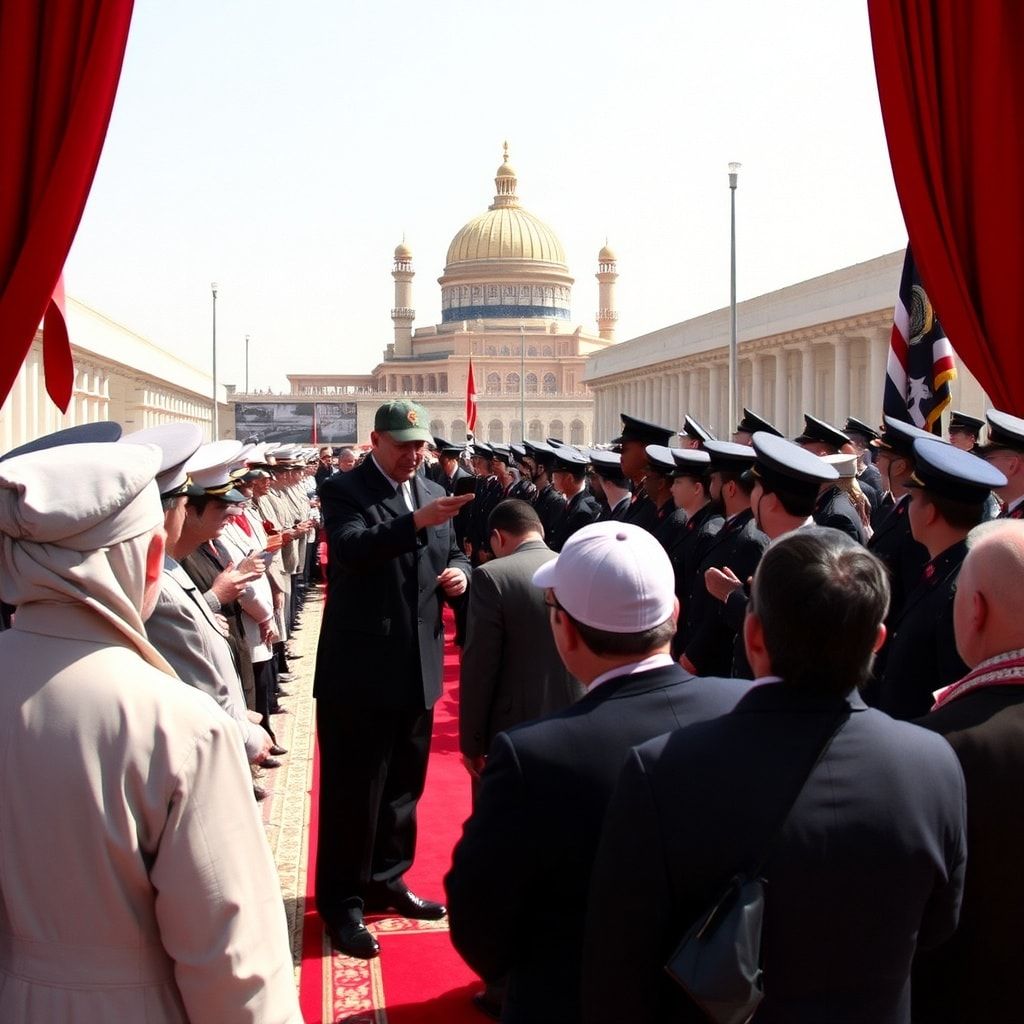
A monumental three-day ceremony is set to unfold in Tehran, where the revered Supreme Leader will lie in state. This event is not merely a religious or political formality; it is a deeply significant national moment requiring meticulous planning. Indeed, an official has highlighted the urgent need for more **Tehran Ceremony Preparations** to ensure its smooth execution. The scale of this undertaking presents considerable logistical, security, and emotional challenges for the nation.
The lying in state, a tradition observed for prominent figures, allows the public to pay their final respects. For a nation like Iran, such an event carries immense symbolic weight, marking the end of an era and the beginning of a new chapter in its leadership. The world will be watching closely as Iran navigates this sensitive period.
Every detail, from crowd management to diplomatic protocols, must be carefully considered. The flawless execution of these preparations will reflect not only on the organizational capabilities of the Iranian state but also on its stability and ability to manage significant transitions. This article delves into the various facets of these essential preparations.
## The Scope of Tehran Ceremony Preparations
The task of organizing a three-day state ceremony, especially one involving the lying in state of a Supreme Leader, is colossal. It demands coordination across numerous government bodies, security agencies, and religious institutions. The sheer volume of expected mourners alone presents a significant hurdle.
This event transcends mere logistics; it is a profound national undertaking. It calls for an intricate dance between tradition, security, and public accessibility. The success of these preparations hinges on anticipating every possible scenario and having robust contingency plans in place.
### Unprecedented Logistics
Planning for an event of this magnitude involves a multitude of logistical considerations. This includes managing transport for countless individuals converging on the capital from across the country. Public transportation networks will need to be significantly bolstered.
Accommodation, even temporary, for those traveling long distances, also comes into play. Furthermore, the provision of essential services like food and water for large crowds requires careful foresight and distribution strategies. The continuous movement of dignitaries and foreign delegations adds another layer of complexity.
Road closures and alternative routes will be necessary to facilitate movement and ensure security. Medical services and emergency response teams must be strategically positioned and fully prepared for any eventuality. The coordination of these elements is a testament to national organizational capacity.
### Security Imperatives
Security is paramount for any high-profile state event, and even more so for one involving a national leader’s passing. The presence of numerous domestic and international dignitaries necessitates an ironclad security apparatus. Every entry point, every pathway, and every gathering area must be secured.
Layers of security will be deployed, ranging from visible uniformed personnel to plainclothes officers. Advanced surveillance technologies will likely be utilized to monitor crowds and identify potential threats. Controlling access to sensitive areas will be crucial.
The threat of external interference or internal dissent during such a vulnerable period is always a concern. Therefore, intelligence gathering and preventative measures are integral components of the security plan. The focus is on preventing any disruption that could overshadow the solemnity of the occasion.
### Public Engagement and Crowd Control
Engaging the public while maintaining order is a delicate balance. Millions are expected to participate in the mourning ceremonies. Effective crowd control strategies are essential to prevent stampedes or other public safety hazards. Designated viewing areas, clear directional signage, and efficient entry and exit points are vital.
Announcements and public information campaigns will guide citizens on how to participate safely and respectfully. Volunteers may also be deployed to assist with crowd management and provide information. The goal is to facilitate a dignified farewell for the Supreme Leader.
Ensuring the public’s ability to mourn collectively, while upholding safety standards, is a primary concern. The smooth flow of people through the mourning sites will be a critical measure of the overall organizational success. This aspect of the **Tehran Ceremony Preparations** is particularly sensitive.
## Historical Context and Precedent
Understanding the historical background of such events provides valuable insights. While specific details may vary, the core purpose of a state funeral remains consistent across cultures and time. In Iran, the passing of a Supreme Leader is a moment of profound national reflection.
The manner in which past leaders have been honored can offer guidance, but each event also presents unique challenges. This current ceremony will undoubtedly draw lessons from previous national commemorations, adapting them to the current geopolitical and social landscape.
### Past State Funerals in Iran
Iran has experienced the passing of significant figures in its modern history, most notably the founder of the Islamic Republic. The funeral of Ayatollah Ruhollah Khomeini in 1989 drew millions to Tehran, underscoring the deep devotion of the Iranian populace. Such events become touchstones in the national memory.
The sheer scale of public participation in those past events offers a stark reminder of the organizational demands. Lessons learned from managing such immense gatherings, both in terms of security and public access, will undoubtedly inform the current planning. Every past event creates a blueprint for future ceremonial events.
The reverence shown during previous state funerals sets a high bar for the present event. The authorities will be keen to ensure that this ceremony lives up to, if not surpasses, previous standards of dignity and public participation. The legacy of past transitions shapes expectations for the present.
### Symbolism of the Lying in State
The act of lying in state carries profound symbolic meaning. It offers a final opportunity for citizens to connect with their deceased leader, reinforcing the bond between the leadership and the populace. It is a powerful public demonstration of grief and unity.
In a religious context, it also allows for spiritual observances and prayers, which are integral to Iranian culture. The open casket or draped coffin becomes a focal point for national mourning, solidifying the leader’s place in history. It is a moment of collective introspection for the nation.
This ritual underscores the continuity of the state even amidst change. It signals that despite the passing of an individual, the institutions endure. The symbolism is carefully crafted to convey stability, tradition, and the enduring spirit of the revolution.
## Political Implications of the Transition
Beyond the immediate ceremonies, the period following a Supreme Leader’s passing is charged with political significance. The smooth execution of the lying in state and associated rituals sends a powerful message about the stability and cohesion of the Iranian state.
The succession process, while separate from the funeral, is inextricably linked. The image projected during these days will influence both domestic perceptions of leadership and international views on Iran’s future trajectory. All eyes will be on the efficacy of these **Tehran Ceremony Preparations**.
### Succession Dynamics
The formal process of selecting a new Supreme Leader rests with the Assembly of Experts. However, the period of national mourning and the ceremonial aspects can significantly shape public opinion and the broader political climate in which this selection occurs.
The public’s perception of continuity and stability during this sensitive time is crucial for legitimizing the incoming leadership. Any perceived misstep or disorganization could potentially fuel dissent or uncertainty. Therefore, the funeral becomes a stage for projecting national strength.
The various factions within Iran will also be observing keenly, as the transition could alter the balance of power. The ceremony, while solemn, is a powerful precursor to these significant political shifts. It sets the tone for the post-leader era.
### Internal and External Messaging
The three-day ceremony serves as a critical platform for Iran to communicate with both its own people and the international community. Internally, it aims to foster national unity, mourn collectively, and reassure citizens of the state’s resilience.
Externally, it projects an image of stability, order, and adherence to established protocols, even in times of transition. This is particularly important given the complex geopolitical landscape in which Iran operates. A well-organized event can counter narratives of instability.
The attendance of foreign dignitaries will also be observed, signaling international relations and diplomatic standing. The careful management of this event underscores Iran’s commitment to orderly governance.
### Regional Stability Concerns
Any leadership transition in a country with Iran’s regional influence invariably raises questions about its impact on the broader Middle East. Neighbors and international powers will be closely monitoring the process for any signs of policy shifts or internal unrest.
The smooth management of the ceremonial period can alleviate some of these concerns, projecting an image of controlled transition rather than volatile change. Stability within Iran is often seen as a prerequisite for regional stability.
Therefore, the **Tehran Ceremony Preparations** are not just about honoring a leader; they are about reassuring the region and the world of Iran’s continued steadiness. The implications extend far beyond Tehran’s city limits, affecting global security perspectives.
## Economic and Social Considerations
Organizing a national event of this scale has significant economic and social ramifications. While the primary focus is on respect and mourning, the practicalities involve considerable resource allocation and impact on daily life.
The government must balance the solemnity of the occasion with the need to minimize disruption to ordinary citizens. This calls for careful planning across multiple sectors, ensuring essential services continue to function effectively.
### Resource Allocation
The financial cost of a three-day national ceremony, including security, transportation, public services, and media coverage, will be substantial. Resources will be diverted to ensure the event’s success, potentially impacting other government expenditures.
Personnel from various ministries and agencies will be mobilized, requiring significant coordination and overtime. The economic impact on businesses, particularly in Tehran, due to closures or altered routines, also needs consideration.
However, the investment is seen as crucial for upholding national dignity and facilitating public mourning. The careful allocation of these resources is a key part of the overall planning.
### National Mourning and Unity
A period of national mourning serves to unite a population in shared grief and remembrance. It allows citizens from all walks of life to come together, transcending political differences in a moment of collective solemnity.
The ceremony provides a focal point for this unity, reinforcing a sense of national identity and solidarity. It is a time when the nation can reflect on its history and future direction, strengthened by a shared experience.
This collective mourning is not just an emotional outlet; it is a vital social glue that helps a nation navigate through periods of change and transition, demonstrating resilience and cohesion.
**Conclusion**
The upcoming three-day ceremony in Tehran for the Supreme Leader’s lying in state is an event of profound national and international consequence. The emphasis on the need for more **Tehran Ceremony Preparations** underscores the immense complexity and sensitivity involved. From managing unprecedented logistics and ensuring watertight security to facilitating public mourning and projecting political stability, every aspect demands meticulous attention. The successful execution of this ceremony will be a testament to Iran’s organizational capabilities and its commitment to an orderly transition, sending critical signals both domestically and across the global stage. It is a moment where history, tradition, and the future converge.