
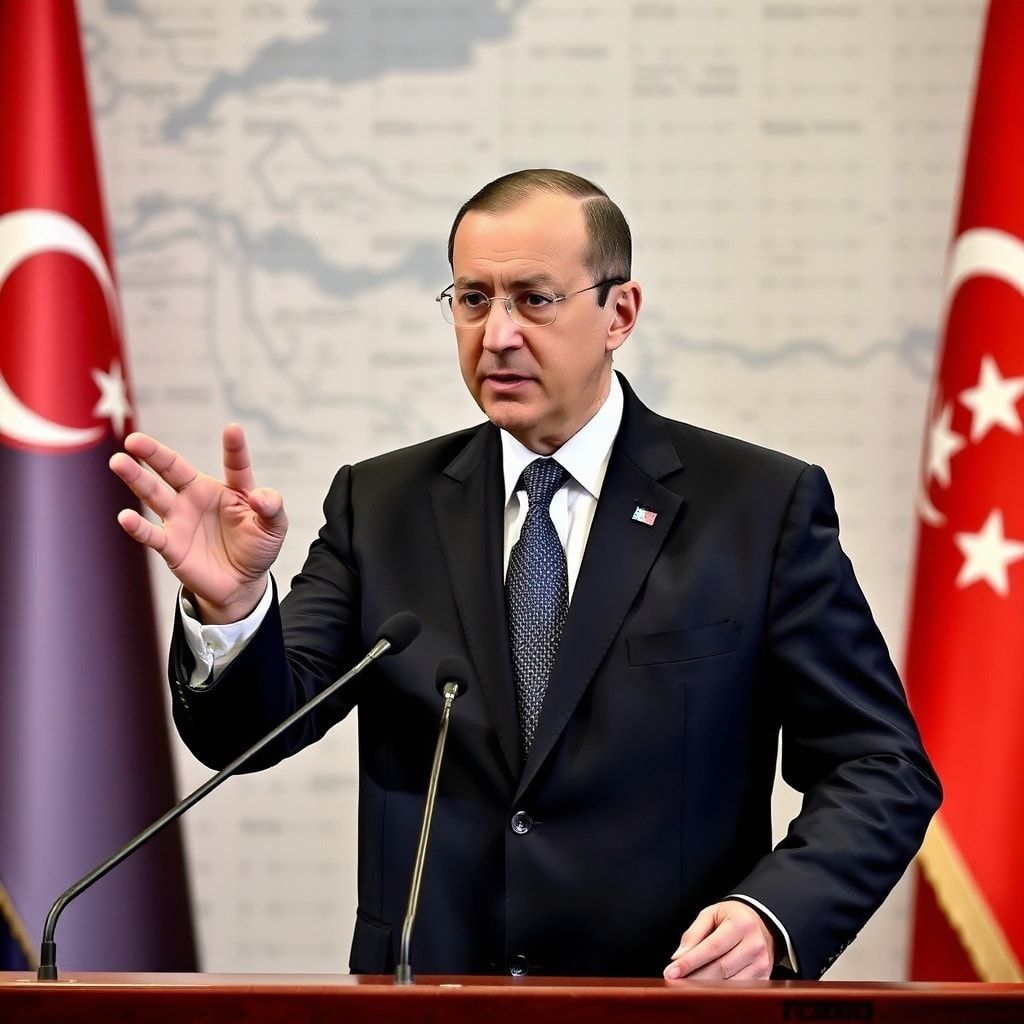
The geopolitical landscape of the South Caucasus remains perpetually on edge, a reality starkly underscored by recent events. President Ilham Aliyev of Azerbaijan has escalated regional tensions significantly, denouncing recent drone strikes as an “act of terror” and promptly placing the nation’s armed forces on high alert. This declaration, concerning Azerbaijan drone strikes, sends a clear message of zero tolerance and signals a potentially perilous turn in the already volatile relationship between Armenia and Azerbaijan.
Aliyev’s strong rhetoric is a calculated move, designed to rally domestic support and draw international attention to what Azerbaijan perceives as hostile actions. The decision to elevate military readiness is not taken lightly and suggests a tangible threat assessment by Baku. Understanding the gravity of these statements requires a deeper look into the historical context and modern implications of drone warfare.
## Azerbaijan Drone Strikes: A Deep Dive into Aliyev’s Declaration
President Aliyev’s choice of words, specifically “act of terror,” is deeply symbolic and carries significant weight in international discourse. It transforms the incident from a mere border skirmish or military provocation into something far more insidious, akin to non-state actor violence. This framing is designed to illicit a stronger condemnation from the international community.
### The Immediate Aftermath and Official Stance
The immediate aftermath of Aliyev’s declaration saw rapid mobilization and heightened vigilance across Azerbaijan’s military infrastructure. “High alert” status means an increased state of readiness, intelligence gathering, and defensive posture. It suggests a readiness for immediate response to any further perceived aggression, underlining the seriousness with which these Azerbaijan drone strikes are viewed.
The official stance from Baku is unequivocal: any targeting of its territory, especially with advanced drone technology, will be met with decisive action. This firm position aims to deter future attacks and demonstrate Azerbaijan’s resolve to protect its sovereignty and citizens. The declaration also serves as a rallying cry for national unity during a period of perceived external threat.
### Unpacking the ‘Act of Terror’ Label
The term “act of terror” is not used lightly in international diplomacy. It implies a deliberate, politically motivated act intended to cause fear and intimidation among a civilian population or government. By using this label, President Aliyev is effectively accusing the perpetrators of violating fundamental principles of international law and human conduct, rather than merely engaging in military-to-military engagement.
This rhetorical escalation could pave the way for a more robust response, potentially moving beyond conventional military retaliation. It also pressures international bodies to acknowledge the severity of the incidents as defined by Azerbaijan, thus shaping the narrative on the global stage. The framing also allows Azerbaijan to seek broader support against what it characterizes as a terror threat, rather than just a bilateral dispute.
## Geopolitical Context: The Nagorno-Karabakh Shadow
The backdrop to these recent tensions is the enduring and often bloody conflict over the Nagorno-Karabakh region. This ethnically Armenian enclave, internationally recognized as part of Azerbaijan, has been a flashpoint for decades. The unresolved status of the region continues to fuel animosity and periodic outbreaks of violence.
### A History of Conflict
The First Nagorno-Karabakh War in the early 1990s, followed by the Second Nagorno-Karabakh War in 2020, cemented the region’s reputation as one of the world’s most intractable conflicts. The 2020 conflict, in particular, saw Azerbaijan make significant territorial gains, largely attributed to its effective deployment of advanced drone technology. This history makes any new Azerbaijan drone strikes incident, whether offensive or defensive, extremely sensitive.
The memory of past conflicts and the human cost involved hangs heavy over any new escalation. Both sides have a history of accusing the other of violating ceasefires and international norms. The current situation, marked by President Aliyev’s strong condemnation, is therefore not an isolated incident but a continuation of a deeply rooted geopolitical struggle. [internal_link: regional-stability-analysis]
### Regional Power Dynamics
The South Caucasus is a chessboard for larger regional powers, including Russia, Turkey, and Iran. Each nation has vested interests and strategic alliances that influence the Armenia-Azerbaijan dynamic. Russia, traditionally Armenia’s ally and a significant peacekeeper in the region, watches closely. Turkey, a strong supporter of Azerbaijan, would likely back any strong action taken by Baku. Iran maintains a complex relationship with both nations, wary of any instability on its borders.
The involvement of these external players means that any localized conflict, such as those sparked by Azerbaijan drone strikes, has the potential to draw in broader international actors, complicating efforts for de-escalation and long-term peace. The fragile balance of power constantly threatens to tip into renewed large-scale hostilities.
## The Weaponry: Drones in Modern Warfare
The rise of unmanned aerial vehicles (UAVs), or drones, has fundamentally reshaped modern military doctrine and conflict. Their ability to conduct surveillance, reconnaissance, and precision strikes with minimal risk to human pilots has made them indispensable assets for contemporary armed forces.
### The Rise of Drone Warfare
Drones offer significant advantages, including extended operational range, reduced cost compared to manned aircraft, and the capacity for stealthy operations. They have proven particularly effective in asymmetrical warfare and in terrains where conventional ground forces face difficulties. Their psychological impact, instilling fear from unseen threats, is also a potent weapon.
The global proliferation of drone technology means that even smaller nations can acquire sophisticated aerial capabilities, leveling the field to some extent. This accessibility, however, also increases the risk of escalation and accidental engagements, as evidenced by recent events.
### Azerbaijan’s Drone Capabilities and Vulnerabilities
Azerbaijan has heavily invested in advanced drone technology, notably acquiring Turkish Bayraktar TB2s and various Israeli-made UAVs. These systems played a crucial role in its success during the 2020 conflict. This strategic investment means Azerbaijan possesses significant offensive and defensive drone capabilities.
However, no nation is entirely invulnerable. While Azerbaijan has employed drones effectively, it is also susceptible to attacks from similar technologies or countermeasures. The current “act of terror” declaration suggests that despite its own advancements, Azerbaijan faces ongoing threats from aerial incursions. Understanding both the capabilities and vulnerabilities associated with these aerial assets is crucial for strategic planning. [internal_link: military-readiness-azerbaijan]
## Potential Repercussions and Future Outlook
President Aliyev’s firm stance and the increased military readiness raise serious questions about the immediate future of the South Caucasus. The risk of miscalculation or an unintended escalation is exceptionally high when both sides operate under such tense conditions.
### Escalation Risk
The most immediate and concerning repercussion is the potential for a full-scale military confrontation. With forces on high alert, any new incident, no matter how minor, could rapidly spiral out of control. The declaration of drone attacks as an “act of terror” could justify a more aggressive retaliatory posture, making de-escalation far more challenging.
International observers are concerned that such rhetoric could undermine existing, albeit fragile, peace processes and trust-building measures. The region has endured too much bloodshed, and a return to widespread conflict would be catastrophic for all involved, especially the civilian populations.
### Diplomatic Pathways and International Pressure
Despite the alarming rhetoric, diplomatic pathways must remain open. International organizations like the OSCE Minsk Group, despite their past limitations, still represent a potential forum for dialogue. Pressure from global powers for restraint and adherence to international law is paramount in preventing further Azerbaijan drone strikes and subsequent retaliation.
The United Nations and various humanitarian organizations will also be watching closely, ready to intervene should the situation deteriorate further. Ultimately, a lasting peace can only be achieved through dialogue, mutual respect, and a commitment to resolving historical grievances through peaceful means, rather than through military posturing.
## Conclusion
President Ilham Aliyev’s strong condemnation of recent Azerbaijan drone strikes as an “act of terror” has undeniably ratcheted up tensions in the South Caucasus. His decision to place the armed forces on high alert underscores the gravity with which Azerbaijan views these incidents and its determination to respond to perceived threats. While the immediate focus is on the current geopolitical standoff, the underlying issues of the Nagorno-Karabakh conflict and the complex interplay of regional powers continue to drive instability. The international community watches anxiously, hoping that restraint and diplomatic engagement will prevail over the dangerous path of escalation.