
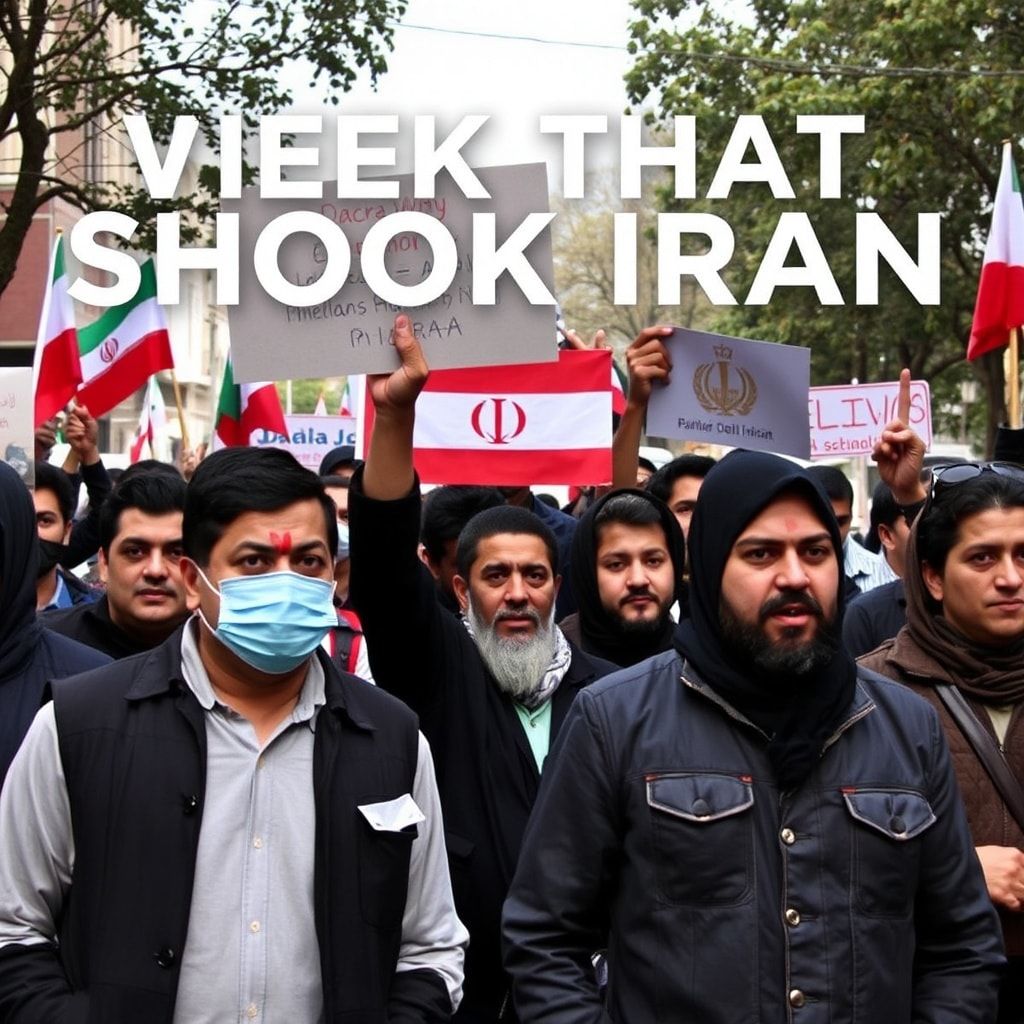
The Week That Shook Iran: Ordinary Citizens Reflect on Conflict and Future
The echoes of a turbulent week still resonate across Iran, as ordinary citizens grapple with the aftermath of what has been described as seven days of intense conflict. From bustling Tehran markets to quiet provincial towns, the focus for many now shifts to understanding the immediate impact and pondering the uncertain Iran conflict outlook. This investigative report delves into the perspectives of everyday Iranians, offering a nuanced view of their struggles, hopes, and anxieties for their nation’s future.
Understanding the Recent Unrest
The recent seven-day period was marked by widespread reports of internal strife, which saw varying forms of unrest across major cities and smaller communities. While official narratives often paint a controlled picture, accounts from the ground suggest a period of significant social and political tension.
These events have deeply affected the daily lives of millions, prompting a collective pause for reflection. For many, the conflict was not just a news headline but a lived experience. It brought disruptions, fear, and a heightened sense of vigilance.
Families witnessed increased security presence, businesses faced closures, and the general rhythm of life was undeniably altered by the unfolding events.
Voices from the Ground: A Spectrum of Experiences
Across diverse demographics, Iranians are processing the past week with varying degrees of optimism and despair. A young student in Isfahan, who wished to remain anonymous, spoke of a pervasive sense of uncertainty. “Every day felt like walking on thin ice,” she recounted.
“You hear things, you see things, and you just wonder what tomorrow will bring. The future feels very unclear,” she added, reflecting a common sentiment among the youth.
Conversely, an older merchant in Tabriz expressed a weary resilience. “We have seen many difficult times,” he stated, referring to decades of political and economic challenges. “This, too, shall pass, but the cost to our people is always immense. We just hope for stability, for our children to have a normal life.”
The Economic Strain Amidst Conflict
The economic repercussions of the recent conflict are a significant concern for most households. Already battling high inflation and unemployment, many Iranians now face additional financial pressures. The disruption to local markets and trade has exacerbated existing vulnerabilities.
Small business owners, who form the backbone of local economies, have been particularly hit. “My shop was closed for two days,” lamented a tailor in Shiraz. “Those two days mean lost income that I cannot easily recover. How can we plan when such events interrupt everything?” This sentiment highlights the fragility of livelihoods in an already strained economic environment.
The Iran Conflict Outlook: Hopes and Fears for the Future
As the immediate intensity of the conflict subsides, the conversation among citizens turns inevitably to the future. There is a palpable desire for peace and stability, yet opinions diverge sharply on how to achieve it and what kind of future awaits Iran. The Iran conflict outlook is complex, shaped by individual experiences and ideological leanings.
Some express a fervent hope for fundamental change, believing that the recent unrest signals a growing demand for greater freedoms and reforms. They see the protests, however contained, as a potential catalyst for a new direction. This segment of society, often younger and more connected to global information flows, yearns for a more open and integrated Iran.
Others, particularly older generations, lean towards a desire for a return to normalcy and a fear of further destabilization. They prioritize national unity and security, wary of any actions that could plunge the country into deeper chaos. Their perspective is often rooted in historical memory of past revolutions and conflicts, where the price of upheaval was paid in blood and prolonged suffering.
Navigating the Information Landscape
During the week of conflict, access to information became a critical battleground. Reports of internet slowdowns and restrictions on social media platforms were common, impacting how citizens communicated and perceived unfolding events. This control over information further shapes the individual Iran conflict outlook.
Many relied on word-of-mouth and fragmented reports from international media to piece together a picture of reality. The challenge of discerning truth from rumor added another layer of stress to an already tense situation, fostering an environment of mistrust and confusion among the populace.
Political Aspirations and Disillusionment
The recent events have also reignited discussions about Iran’s political trajectory. While public discourse remains cautious, private conversations reveal a mix of aspirations and deep-seated disillusionment with the current political system. Citizens are evaluating the effectiveness of their leaders and the responsiveness of governmental institutions.
There is a noticeable divide between those who advocate for incremental reforms within the existing framework and those who believe only a drastic overhaul can address the nation’s profound challenges. This internal debate is crucial for understanding the diverse visions for Iran’s political future.
The Perceived Role of the International Community
While the conflict was internal, the perception of the international community’s role—or lack thereof—is also a part of the Iranian narrative. Some feel isolated and ignored, believing that external powers do not truly understand their struggles. Others view international attention as a potential leverage point for change, though with caution, remembering historical interventions.
This external dimension adds another layer to the complex mosaic of the Iran conflict outlook. The interplay between domestic grievances and international relations continues to define the national consciousness, influencing public opinion on national sovereignty and global engagement.
Looking Ahead: An Uncertain Path
As Iran moves forward from the immediate aftermath of the seven days of conflict, the path ahead remains shrouded in uncertainty. The reflections of ordinary Iranians paint a picture of a society grappling with profound challenges, marked by economic hardship, political aspirations, and a persistent hope for a better future.
The Iran conflict outlook is not monolithic; it is a tapestry woven from countless individual stories of resilience, anxiety, and a yearning for stability. Understanding these diverse perspectives is crucial for any observer seeking to comprehend the true state of the nation and its trajectory in the coming months and years. The week of unrest may have ended, but its reverberations will undoubtedly shape the collective consciousness for a long time to come.