
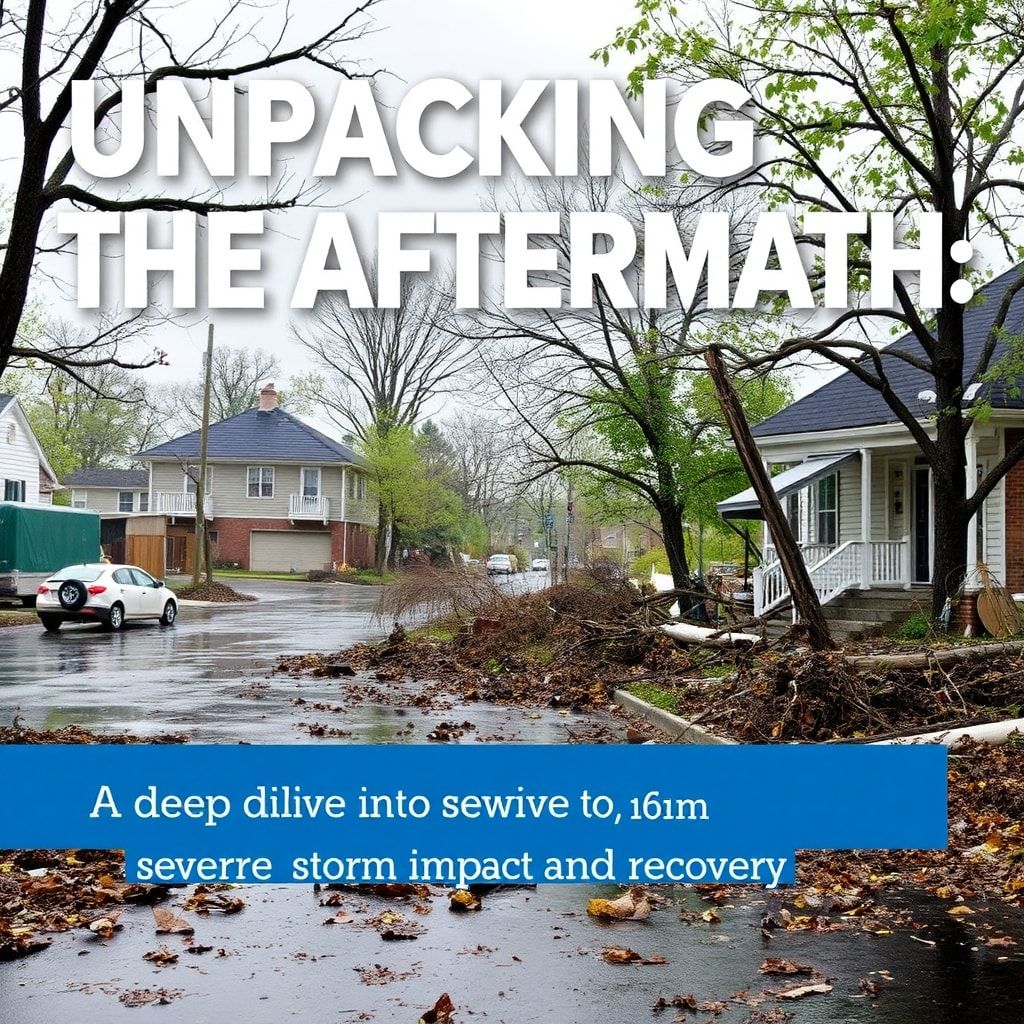
Recent powerful storms have left a trail of devastation across various regions, manifesting a profound severe storm impact. The immediate aftermath revealed a landscape scarred by uprooted trees, widespread power outages, and significant structural damage to homes and vital infrastructure. Our investigation delves into the multifaceted consequences of these events and the arduous journey toward recovery.
The sheer force of these weather phenomena underscores a critical vulnerability in modern communities. While weather forecasting has advanced significantly, the destructive power of nature continues to challenge urban planning, infrastructure resilience, and disaster preparedness protocols.
Assessing the Immediate Severe Storm Impact
Widespread Destruction: Uprooted Trees and Structural Damage
The physical manifestation of the storms’ fury was immediately apparent. Gigantic trees, some centuries old, were violently torn from the earth, their root systems exposed. This not only created hazardous obstructions but also caused secondary damage by falling onto vehicles, fences, and buildings.
Numerous residential and commercial structures bore the brunt of the winds. Eyewitness accounts and preliminary damage assessments confirm that roofs were ripped off homes, leaving families exposed and vulnerable. Walls were compromised, and windows shattered, turning once-secure dwellings into hazardous sites.
The scale of structural damage suggests that many buildings, despite meeting local codes, were unprepared for the intensity of these specific weather patterns. This raises questions about the adequacy of current building standards in the face of increasingly severe climatic events.
Paralyzing Infrastructure: Downed Power Lines and Communication Blackouts
Perhaps one of the most debilitating aspects of the storm’s aftermath was the extensive damage to power infrastructure. Miles of power lines were downed, either by direct wind force or by falling debris and trees. This immediately plunged tens of thousands of homes and businesses into darkness.
Beyond the inconvenience, prolonged power outages have severe consequences. Critical services, including hospitals, emergency responders, and water treatment plants, rely heavily on a stable power supply. While backup generators provided temporary relief, their fuel reserves are finite, highlighting a systemic vulnerability.
Communication networks were also severely hampered. Cell towers lost power, and fiber optic cables were severed, disrupting internet and phone services. This isolation further complicated emergency response efforts, making it difficult for affected individuals to call for help or connect with loved ones.
The Human Cost and Long-Term Recovery Challenges
Displacement and Economic Disruption
The damage to homes led to immediate displacement. Families were forced to evacuate, seeking shelter with relatives, in community centers, or in temporary accommodations. The emotional toll of losing one’s home and belongings cannot be overstated, adding psychological trauma to physical hardship.
Economically, the severe storm impact is profound. Businesses suffered direct damage, lost inventory, and faced prolonged closures due to power outages or structural instability. This translated into significant revenue losses and, in many cases, temporary or permanent job losses for employees.
The agricultural sector, where applicable, also faced devastation, with crops destroyed and livestock endangered. Such losses ripple through local economies, affecting supply chains and consumer prices for months, if not years, to come.
Emergency Response and Community Resilience
In the immediate hours and days following the storms, emergency services were stretched to their limits. First responders worked tirelessly to clear roads, rescue trapped individuals, and provide essential aid. Volunteer organizations and community groups also played a crucial role, demonstrating remarkable resilience and solidarity.
The coordination between local, regional, and national agencies is critical during such crises. While initial responses were robust in many areas, the sheer scale of the damage presented unprecedented challenges, testing the limits of disaster management protocols.
Mitigation and Future Preparedness
Building Back Better: Enhancing Infrastructure Resilience
The recurring nature of extreme weather events necessitates a paradigm shift in how communities approach infrastructure development and maintenance. Hardening the power grid, for instance, through undergrounding utility lines in vulnerable areas or adopting more resilient pole designs, could significantly reduce outage duration.
Building codes must also be re-evaluated and potentially updated to account for increased wind speeds and precipitation levels. Investing in storm-resistant materials and construction techniques, while initially more costly, can lead to substantial savings in long-term recovery expenses.
The Role of Climate Change in Severe Storm Impact
While attributing any single storm to climate change is complex, scientific consensus points to an increase in the frequency and intensity of extreme weather events globally. Warmer ocean temperatures can fuel more powerful hurricanes, and altered atmospheric patterns can lead to more destructive localized storms.
Understanding this broader context is crucial for long-term planning. Preparedness is no longer just about responding to historical patterns but anticipating future risks that may be amplified by a changing climate. This involves comprehensive risk assessments and adaptive strategies.
The aftermath of these storms serves as a stark reminder of our ongoing battle against the forces of nature and the urgent need for enhanced resilience. The immediate severe storm impact is a challenge, but it also presents an opportunity to learn, adapt, and build stronger, more prepared communities for the future. As recovery efforts continue, the lessons learned from this devastation will be invaluable in shaping disaster response and mitigation strategies worldwide.
The long road to full recovery requires sustained effort, resources, and a collective commitment from governments, communities, and individuals. Ensuring robust support for affected regions is paramount to overcoming the extensive damage caused by these formidable weather events.