
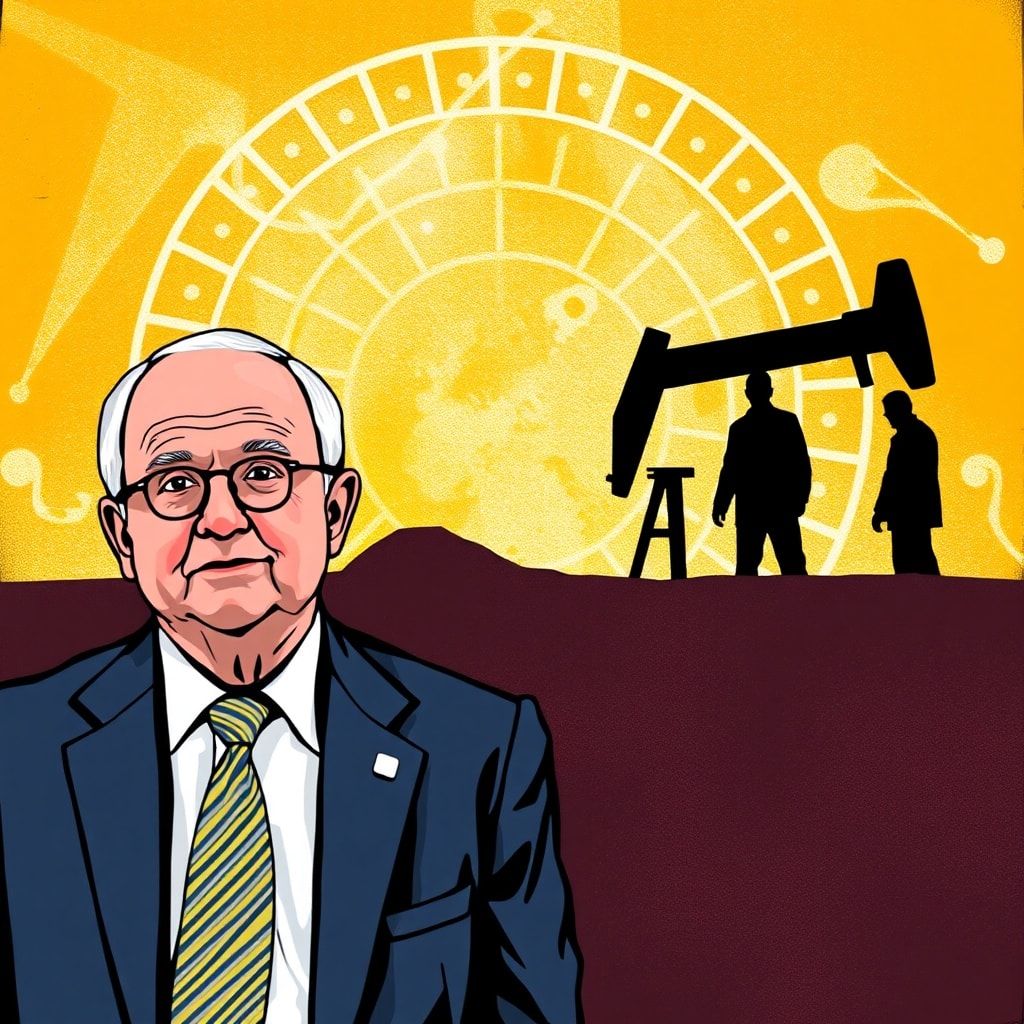
Finance Ministers and IEA Confront Surging Oil Prices: The Quest for Stability
The global economic landscape is once again grappling with significant energy challenges. In a critical move to address escalating concerns, finance ministers from key nations, alongside representatives from the International Energy Agency (IEA), recently convened to discuss urgent options for global oil price stabilization. This high-stakes meeting comes as crude oil prices surged past the ominous $100 per barrel mark, threatening to ignite further inflationary pressures and dampen global economic recovery.
The discussions underscored the immediate need for a coordinated international response. Unchecked oil price volatility can lead to widespread economic instability, impacting everything from consumer purchasing power to industrial production. The world watches keenly to see what tangible measures will emerge from these crucial talks.
The Volatile Landscape of Global Oil Prices
A Decade of Fluctuations: Understanding the Context
Oil markets have long been a barometer of geopolitical tensions and economic health. Over the past decade, prices have swung wildly, reflecting a complex interplay of supply shocks, demand shifts, and political machinations. Recent events, including lingering supply chain disruptions from the pandemic and heightened geopolitical conflicts in key energy-producing regions, have exacerbated this inherent volatility.
The ongoing conflict in Eastern Europe, for instance, has significantly reshaped energy flows, imposing sanctions on major producers and diverting traditional trade routes. These factors collectively push up the cost of crude, transmitting inflationary pressures throughout global economies. Understanding this historical context is vital for comprehending the current crisis.
Economic Repercussions of $100+ Oil
When oil prices breach the $100 threshold, the economic ripple effects are profound and far-reaching. Businesses face higher operational costs, translating into increased prices for goods and services. Consumers, in turn, feel the pinch at the pump and in their utility bills, leading to reduced discretionary spending and a potential slowdown in economic growth.
For import-dependent nations, the burden is particularly acute, as their national budgets come under immense pressure. High energy costs can trigger inflation, erode savings, and even contribute to social unrest. The urgency of the recent discussions stems directly from these dire economic forecasts.
High-Level Discussions on Global Oil Price Stabilization
The Role of Finance Ministers
Finance ministers are typically tasked with safeguarding their national economies and ensuring fiscal stability. Their involvement in oil price discussions highlights the commodity’s critical link to macroeconomic health. These ministers are deeply concerned about the inflationary impact of soaring energy costs, which can derail recovery efforts and exacerbate existing economic vulnerabilities.
Their collective presence at these talks signals a recognition that national solutions alone are insufficient. A multilateral approach is essential to navigate a market as interconnected and globally influenced as crude oil. They aim to find mechanisms that protect their citizens and industries from unsustainable energy price hikes.
The International Energy Agency (IEA) Perspective
The IEA plays a pivotal role in global energy security and market stability. As an autonomous intergovernmental organization, it advises member countries on energy policy and coordinates responses to supply disruptions. The IEA’s data and analytical capabilities provide crucial insights into global supply and demand dynamics, guiding policy decisions.
The Agency has a history of intervening in energy crises, notably through coordinated releases from strategic petroleum reserves. Their expertise is invaluable in assessing the feasibility and potential impact of various market intervention strategies. The IEA’s voice adds significant weight to the call for global oil price stabilization.
Exploring Options for Market Intervention
Strategic Petroleum Reserves (SPR) Release
One of the most immediate tools available for combating high oil prices is the coordinated release of Strategic Petroleum Reserves (SPR). These reserves are government-held stockpiles of crude oil intended for use in emergencies. A joint release by major consuming nations can temporarily increase supply, alleviate market tightness, and send a signal to traders.
While an SPR release offers a quick fix, it is often seen as a short-term measure. Critics argue it can deplete critical emergency reserves and may not address the underlying structural issues driving prices. Past releases have shown varying degrees of effectiveness, depending on the scale and market conditions at the time of intervention.
Diplomatic Efforts and Production Increases
Beyond emergency reserves, sustained global oil price stabilization often requires diplomatic engagement with major oil-producing nations, particularly those within the OPEC+ alliance. These discussions aim to persuade producers to increase their output, thereby boosting global supply to meet demand. However, achieving consensus among diverse producing nations with their own economic and political agendas can be challenging.
Geopolitical factors, including sanctions on specific countries and internal political stability, further complicate these diplomatic efforts. The ability to significantly increase production in the short term is also constrained by investment levels in the oil sector and the operational capacity of existing fields. Long-term investment signals are often crucial for a sustained supply response.
Demand-Side Management
While supply-side interventions dominate headlines, managing demand is another crucial aspect of achieving market stability. Governments can implement policies that encourage energy efficiency, promote the adoption of renewable energy sources, and incentivize reduced fossil fuel consumption. These measures, while typically longer-term, can structurally reduce reliance on volatile oil markets.
Public awareness campaigns and support for cleaner transportation options are also vital components. By gradually shifting away from fossil fuels, economies can become more resilient to oil price shocks. This approach aligns with broader climate goals, offering a dual benefit of environmental protection and energy security.
Analysis: Challenges and Prospects for Stability
The Geopolitical Tightrope Walk
Achieving lasting global oil price stabilization is inherently difficult given the intricate web of international relations. Oil is not just a commodity; it is a strategic asset often intertwined with national security and foreign policy objectives. Major geopolitical events can instantly override market fundamentals, making price predictions and interventions incredibly complex.
The influence of non-OPEC producers, evolving alliances, and the strategic decisions of individual nations all contribute to this volatile environment. Any coordinated effort requires navigating these complex political landscapes with extreme care and sustained diplomatic engagement. The effectiveness of any stabilization strategy often hinges on this delicate balance.
Economic Headwinds and Future Outlook
The current global economic climate presents significant headwinds to achieving oil market stability. Fears of recession, coupled with rising interest rates by central banks worldwide, could potentially dampen oil demand in the coming months. However, the exact impact on prices remains uncertain, as supply constraints and geopolitical risks persist.
Furthermore, the long-term transition towards green energy will fundamentally reshape oil markets. While demand for oil may eventually decline, the journey there will likely involve continued volatility. Therefore, finance ministers and the IEA face the twin challenge of managing immediate crises while also planning for a decarbonized future. Can true and lasting global oil price stabilization be achieved in such a dynamic and uncertain era?
Conclusion
The recent discussions between finance ministers and the IEA highlight the urgent global imperative to address soaring oil prices. The collective understanding is that sustained economic stability hinges on effective global oil price stabilization. While immediate solutions like strategic reserve releases offer temporary relief, long-term stability demands a multifaceted approach.
This includes robust diplomatic efforts, strategic investment in diversified energy sources, and policies promoting energy efficiency. The path ahead remains challenging, fraught with geopolitical complexities and economic uncertainties. However, the commitment to finding collaborative solutions underscores the critical importance of ensuring affordable and reliable energy for all.