
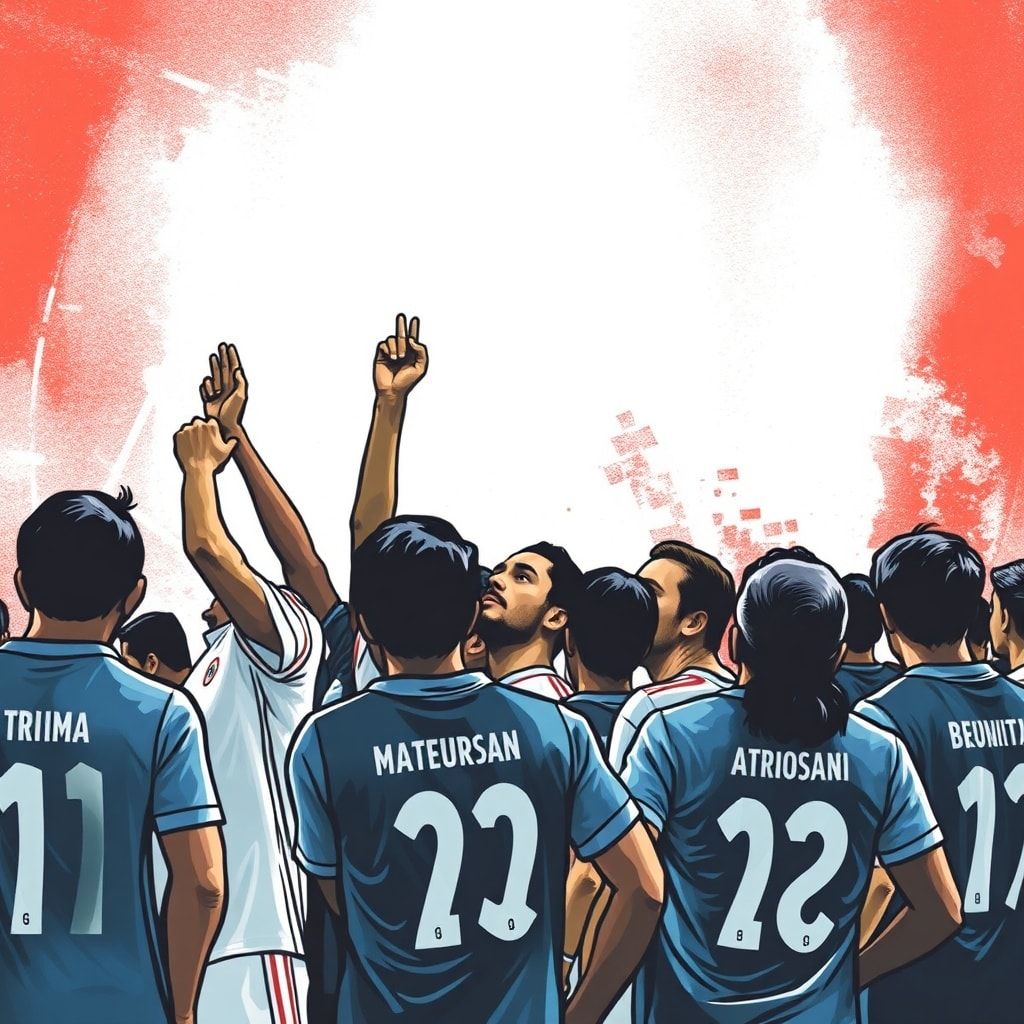
The Silent Stance: Unpacking the Iranian National Team’s Anthem Protest
The silence from the Iranian national football team during their national anthem has ignited a furious debate, drawing accusations of “wartime treason” and placing a sharp spotlight on the players amidst a deeply fractured nation. This **Iranian anthem protest** has become a powerful symbol, reverberating far beyond the football pitch and forcing a critical examination of the intersection between sports and politics in a volatile region.
For many, the team’s refusal to sing represented a bold act of defiance, a silent nod to the ongoing anti-government protests sweeping Iran. For others, particularly hardline critics, it was an unforgivable betrayal, undermining national unity at a time of perceived external threats and internal unrest. This single moment has encapsulated the profound divisions within Iranian society.
The Silence That Roared: The Iranian Anthem Protest
The scene was stark: a line of athletes, heads bowed, lips sealed, while the strains of the national anthem played. It was a visible departure from typical protocol, where national pride is often expressed vocally and emphatically. The conspicuous silence of the Iranian players sent an unmistakable message to millions watching worldwide.
This deliberate omission was not merely a lapse in etiquette; it was a powerful political statement. In a country where public dissent can carry severe repercussions, the actions of these high-profile figures were immediately interpreted as solidarity with the widespread protests against the clerical establishment.
The images quickly circulated across global media, sparking discussions and drawing both praise and condemnation. It laid bare the immense pressure on athletes caught between national representation and their personal conscience, particularly when their homeland is gripped by significant social upheaval.
A Nation in Turmoil: The Backdrop to Dissent
To understand the weight of the team’s actions, one must first grasp the turbulent environment in Iran. The country has been engulfed by a wave of unprecedented protests following the death of Mahsa Amini in September, a 22-year-old woman who died in the custody of the morality police. Amini had been detained for allegedly violating strict dress codes.
Her death ignited a powder keg of public anger, fueling demonstrations that have demanded greater freedoms and an end to the Islamic Republic’s authoritarian rule. The protests, initially led by women, quickly broadened to include people from all walks of life, challenging the very foundations of the state.
The government’s response has been brutal, deploying security forces to suppress the unrest with considerable force. Thousands have been arrested, and hundreds have reportedly been killed, further escalating tensions and deepening the chasm between the populace and the ruling elite. It is against this backdrop of widespread repression and calls for change that the team’s silent protest took place.
The Weight of Accusations: “Wartime Traitors”
The backlash from hardline factions and state-affiliated media was swift and severe. One prominent critic notably branded the players as “wartime traitors,” an accusation steeped in historical significance and designed to evoke the gravest sense of disloyalty. This label is not merely inflammatory; it carries profound implications in a country that often frames internal dissent as externally manipulated.
Such rhetoric serves to delegitimize the players’ actions, portraying them not as individuals expressing solidarity but as tools of foreign adversaries. The accusation aims to isolate the team from their supporters and rally nationalist sentiment against them, effectively criminalizing their silent act of defiance.
The term “traitor” during a “wartime” context is particularly potent, implying a threat to national security and unity. It underscores the regime’s narrative that dissent undermines the nation’s strength, especially when facing international scrutiny or perceived geopolitical threats.
Athletes on the Frontline: A History of Symbolic Acts
The **Iranian anthem protest** is not an isolated incident in the history of Iranian sports. Athletes have frequently found themselves at the vanguard of social and political movements, using their platforms to challenge authority or express solidarity. Over the years, numerous Iranian sportsmen and women have made personal sacrifices, risking their careers and freedom for their beliefs.
From refusing to compete against Israeli opponents to subtle gestures of protest on medal podiums, Iranian athletes have a long, if often clandestine, history of political expression. These acts often come at great personal cost, with many facing bans, imprisonment, or forced exile for their stances.
Their visibility provides a unique opportunity to draw global attention to domestic issues, often bypassing state censorship that stifles traditional media. This makes their actions particularly powerful, yet also particularly perilous, given the direct spotlight it shines on them and their families.
The Perilous Path: Consequences for Players
The decision to participate in the **Iranian anthem protest** was undoubtedly fraught with risk for the players. In Iran, athletes are often seen as ambassadors of the state, and their actions are closely monitored. Dissent can lead to severe consequences, not just for the individuals involved but also for their families.
Potential repercussions could range from professional bans and financial penalties to more serious legal actions, including travel restrictions or even imprisonment. The players and their loved ones could face harassment or intimidation from security services, designed to deter future acts of defiance.
The government faces a delicate balancing act: punishing popular athletes too harshly could further ignite public anger, yet ignoring their dissent might embolden others. This tightrope walk highlights the significant leverage these public figures hold, despite the inherent dangers.
Global Reaction and the Future of Dissent
The global response to the **Iranian anthem protest** has been mixed, but largely supportive of the players’ courage. Human rights organizations have lauded their bravery, while international media has highlighted the incident as a testament to the depth of anti-government sentiment within Iran. FIFA, the global football governing body, has typically maintained a stance of separating politics from sports, yet the intensity of such protests challenges this position.
As the situation in Iran remains volatile, the full impact of the team’s silent protest is yet to unfold. It has undeniably added another dimension to the ongoing struggle for freedom and human rights in the country. The act serves as a reminder that even in the most controlled environments, the spirit of dissent can find powerful, if quiet, forms of expression. The world watches closely to see how this narrative will evolve and what future acts of defiance, both on and off the field, may emerge.
The courage shown by these athletes has resonated deeply with many Iranians, offering a glimmer of hope and a sense of shared purpose in a time of profound national crisis. It underscores the powerful role that sports and athletes can play in reflecting and shaping a nation’s political discourse.