
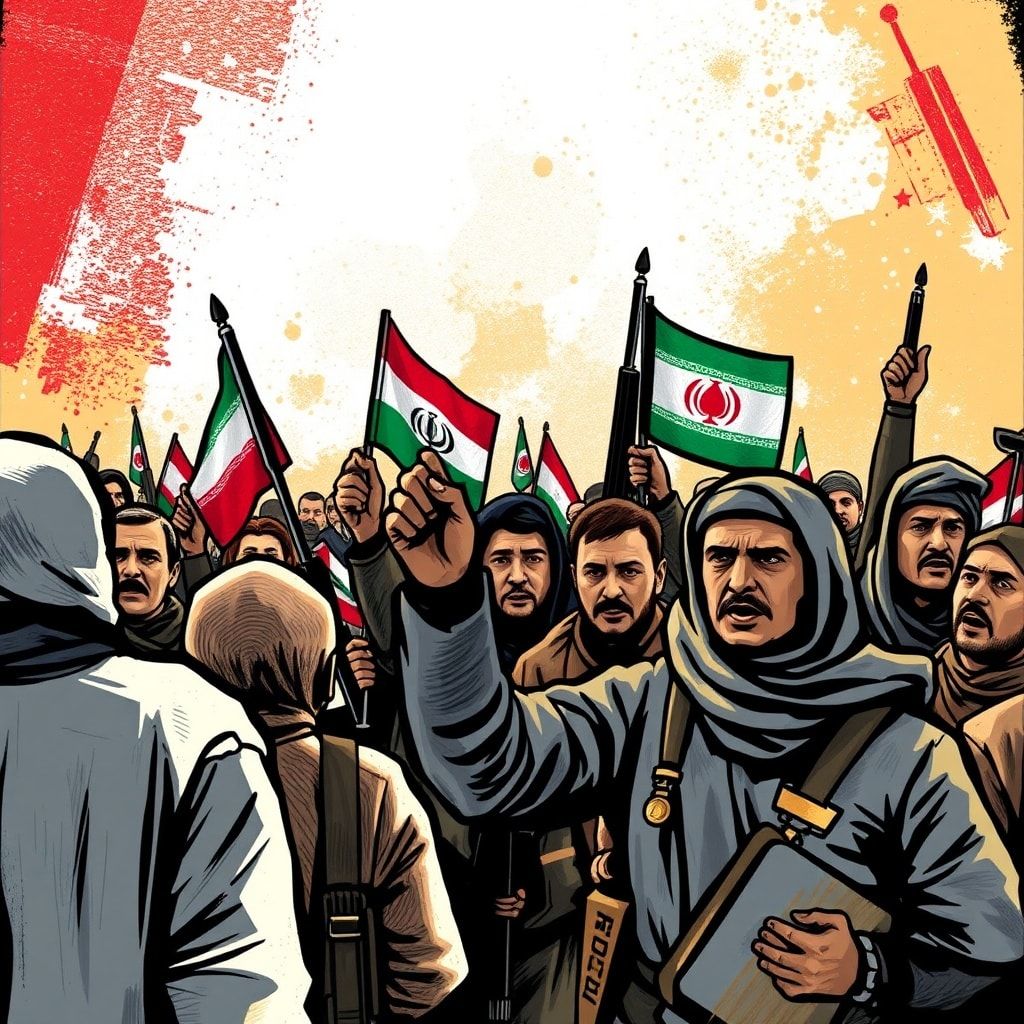
The announcement from Iranian Kurdish opposition groups in exile, located in northern Iraq, has ignited a fresh wave of scrutiny regarding regional stability. These groups have informed the BBC of their intentions to cross the border into Iran, while simultaneously denying any current crossings. This delicate statement highlights the complex and often clandestine operations that define the struggle of the Iranian Kurdish Opposition. Understanding this nuanced situation requires a deep dive into historical context, geopolitical motivations, and the human cost of conflict.
The Shifting Landscape of Kurdish Resistance
For decades, various Kurdish political and armed groups opposing the Iranian government have sought refuge in the mountainous terrain of northern Iraq. This region provides a strategic sanctuary, allowing them to organize, train, and maintain a presence close to their homeland. Their objectives vary, but often revolve around greater autonomy, cultural rights, or even the overthrow of the current Iranian regime.
The Kurdistan Region of Iraq, while offering a haven, also places these groups in a precarious position. They operate under the watchful eyes of both Iraqi authorities and regional powers. Their activities directly influence the delicate balance of power in a highly volatile Middle East.
These groups represent a significant, though often fragmented, segment of the broader Kurdish national movement. Their struggle is rooted in a long history of perceived marginalization and repression within Iran. This deep-seated discontent fuels their persistent efforts to challenge Tehran’s authority.
A Denied Reality? Understanding Border Crossings
The statement – “they have plans to cross the border but deny already doing so” – is rich with strategic implications. On one hand, acknowledging plans to cross signals a readiness to act and potentially sends a message to both their supporters and adversaries. It can be a psychological tactic, aimed at demonstrating resolve.
On the other hand, denying current crossings might serve several purposes. It could be a factual statement, meaning preparations are underway but execution hasn’t happened. Alternatively, it could be a tactic to avoid immediate retaliation from Iran or to manage diplomatic pressure on Iraq. Operating in a grey area of information allows for flexibility.
The reality of these border movements is often shrouded in secrecy. Information control is a critical aspect of such conflicts. What is publicly stated may not always align with ground operations. This makes assessing the true extent of Iranian Kurdish Opposition activities a significant challenge for analysts and policymakers alike.
Iranian Kurdish Opposition: Strategies and Regional Impact
The presence and activities of Iranian Kurdish groups in Iraq have profound geopolitical consequences. Iraq finds itself in a difficult position, caught between its desire for regional stability and its inability, or unwillingness, to fully control all non-state actors within its borders. Iran frequently pressures Baghdad and the Kurdistan Regional Government (KRG) to curb these groups.
Cross-border incursions, whether acknowledged or not, risk escalating tensions between Iran and Iraq. Iran has, in the past, conducted missile and drone strikes against these groups in Iraqi territory, citing national security concerns. Such actions violate Iraqi sovereignty and further destabilize an already fragile region.
The wider international community also watches these dynamics closely. Powers like the United States have varying interests in both Iran and Iraq, and any significant escalation could have broader implications for energy markets and regional alliances. The actions of the Iranian Kurdish Opposition are therefore not just a local issue but a component of a larger strategic game.
The Human Element: Lives on the Line
Beyond the geopolitical chessboard, there is a profound human cost to this protracted conflict. Kurdish civilians living near the border areas in both Iran and Iraq often bear the brunt of the violence. They face displacement, insecurity, and the constant threat of military action. Their lives are perpetually intertwined with the political struggles of their ethnic kin.
Many Kurds in the region aspire to live in peace and have their fundamental rights respected. The ongoing conflict, however, means that stability remains an elusive dream for thousands. The plight of refugees and internally displaced persons is a stark reminder of the human toll that political disputes inflict.
The generational trauma of conflict is also a significant factor. Children grow up in an environment shaped by militancy and political repression, impacting their development and future prospects. Addressing the root causes of this conflict is essential for alleviating human suffering.
Iran’s Stance and Counter-Measures
From Tehran’s viewpoint, the presence of armed Iranian Kurdish opposition groups in northern Iraq constitutes a direct national security threat. Iran views these groups as separatist or terrorist entities, actively working to undermine its territorial integrity and internal stability. This perception justifies, in their eyes, robust counter-measures.
Iran has consistently demanded that Iraq disarm and expel these groups. When diplomatic efforts are deemed insufficient, Tehran has resorted to military action, launching artillery barrages, drone attacks, and missile strikes deep into Iraqi Kurdistan. These operations are often presented as necessary defensive actions to protect Iranian borders and citizens.
Furthermore, Iran exerts significant political and economic leverage over Iraq, particularly on the central government in Baghdad. This influence is used to press for greater cooperation in neutralizing the perceived threat posed by the Iranian Kurdish Opposition. The pressure is a constant source of friction between the two nations.
The Role of International Media and Information Warfare
The decision by Iranian Kurdish opposition groups to speak with the BBC underscores the critical role of international media in modern conflicts. By communicating their plans and perspectives to a global audience, these groups aim to garner sympathy, legitimize their cause, and potentially influence international opinion. It is a form of information warfare, alongside military and political strategies.
The careful wording – plans to cross, but denying current crossings – is part of this strategic communication. It allows them to maintain a degree of operational ambiguity while still making their presence and intentions known. This calculated approach helps them navigate the treacherous landscape of regional politics and international scrutiny.
Independent media outlets like the BBC play a crucial role in bringing these stories to light. They provide a platform for voices that might otherwise be suppressed, offering different perspectives on complex conflicts. However, all information in such contexts must be critically analyzed, understanding the motivations behind each statement.
Conclusion
The statements from Iranian Kurdish opposition groups in northern Iraq paint a picture of enduring tension and strategic maneuvering. Their acknowledged plans to cross the border, coupled with denials of current incursions, highlight the intricate dance between ambition and caution. This situation underscores the deep-seated historical grievances and geopolitical complexities that define the relationship between Iran, Iraq, and the Kurdish people.
The actions of the Iranian Kurdish Opposition will continue to be a significant factor in regional stability. As long as their underlying grievances remain unaddressed, the potential for cross-border conflict and wider geopolitical ripples will persist. A comprehensive resolution will require not only security measures but also a concerted effort to address the political, social, and economic factors that fuel this ongoing struggle. The path to lasting peace in this volatile region remains fraught with challenges, demanding careful diplomacy and a deep understanding of all stakeholders.