
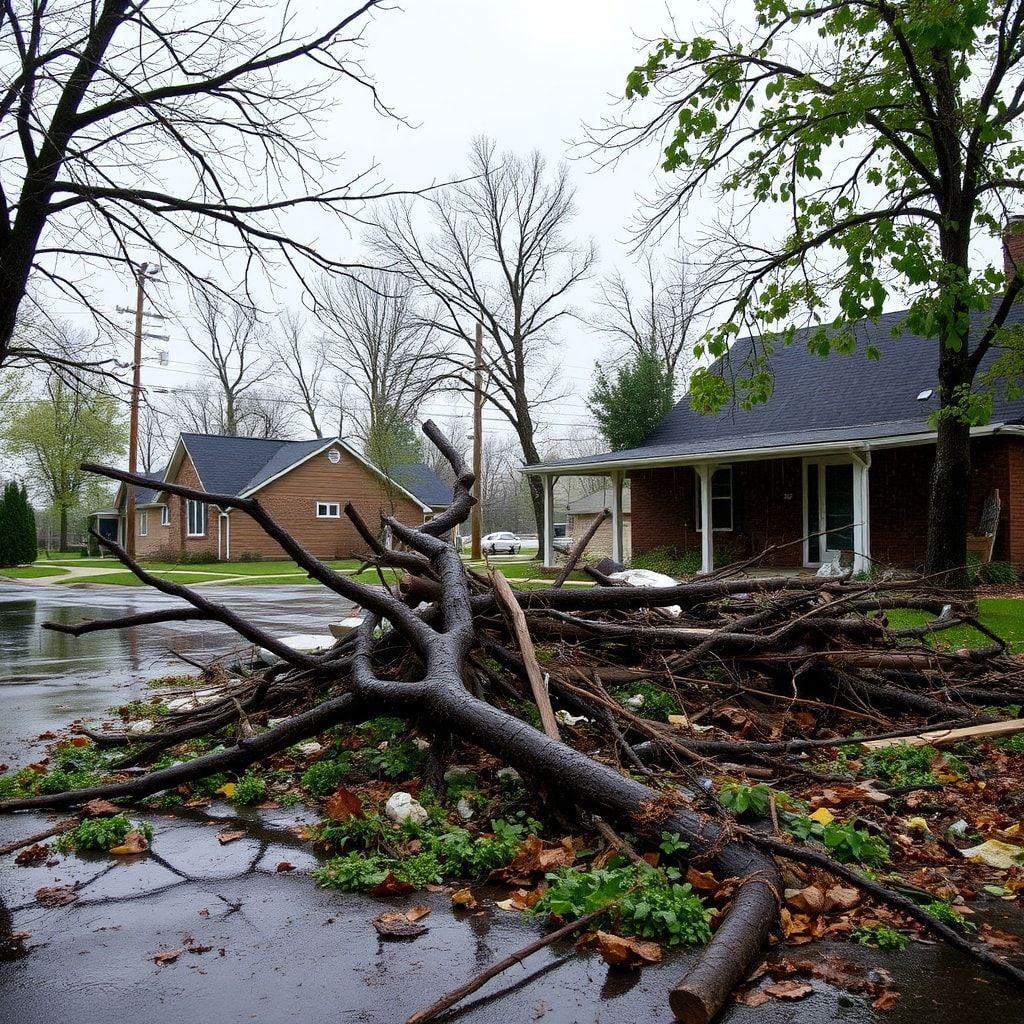
Deadly Severe US Storms Ravage Michigan and Oklahoma
A recent surge of severe US storms has left a devastating path across the American Midwest and Southern Plains, resulting in at least six confirmed fatalities. Michigan reported four deaths, while Oklahoma officials confirmed two, underscoring the destructive power of these weather events that swept through multiple states, causing widespread damage and disruption.
The storms, characterized by powerful winds, torrential rain, and suspected tornadoes, struck with little warning in some areas, catching residents off guard. Emergency services across both states were quickly overwhelmed, dealing with a multitude of calls ranging from structural collapses to stranded motorists.
The Devastating Impact of Severe US Storms
The human toll is the most tragic consequence of these powerful weather systems. In Michigan, the four reported deaths were primarily attributed to falling trees, a common danger during high-wind events. These incidents occurred in disparate locations, highlighting the broad reach of the storm front across the state.
Oklahoma experienced a similar narrative of destruction. Two individuals lost their lives amidst the chaos, with early reports suggesting their deaths were also linked to the direct impact of the storm. The immediate aftermath saw widespread power outages, affecting hundreds of thousands of homes and businesses in both states, plunging communities into darkness.
Infrastructure Crippled and Communities in Disarray
Beyond the fatalities, the storms inflicted significant damage on critical infrastructure. Power lines were toppled, roads were blocked by fallen debris, and numerous buildings sustained structural damage. Emergency crews faced immense challenges in reaching affected areas, hampered by impassable routes and ongoing hazardous conditions.
Residents described scenes of chaos and disbelief. Many awoke to find their neighborhoods transformed, with trees uprooted, roofs torn off, and personal property destroyed. The clean-up and recovery efforts are expected to be extensive and costly, requiring significant resources and time.
Michigan Bears the Brunt: A Closer Look
In Michigan, the storms manifested with particular ferocity. Counties across the southern part of the state reported the most severe impacts. Eyewitness accounts spoke of sudden, intense gusts of wind that sounded like freight trains, a common description for tornado activity or powerful straight-line winds.
Emergency declarations were swiftly issued in several localities, allowing for the deployment of additional resources and personnel. The Michigan State Police and local sheriff’s departments coordinated search and rescue operations, focusing on areas with reports of trapped individuals or significant structural damage.
Oklahoma’s Struggle Against Destructive Weather
Oklahoma, a state no stranger to severe weather, once again found itself battling nature’s fury. The two confirmed fatalities occurred as the storm system moved across the state, bringing with it a potent combination of high winds and heavy rainfall. Many communities had enacted emergency preparedness protocols, but the intensity of the weather proved overwhelming in isolated instances.
The state’s Department of Emergency Management initiated rapid damage assessments, deploying teams to determine the full scope of destruction. This rapid response is crucial for securing federal aid and beginning the long process of rebuilding and recovery for affected Oklahomans.
Understanding the Meteorology Behind the Outbreak
The severe US storms were a result of a complex meteorological setup. A powerful cold front clashed with warm, moist air streaming northward from the Gulf of Mexico. This interaction created an unstable atmosphere, ripe for the development of severe thunderstorms capable of producing destructive winds, large hail, and tornadoes.
Forecasters at the National Weather Service had issued severe thunderstorm and tornado watches and warnings hours in advance, providing crucial time for residents to prepare. However, the localized and often rapid development of these storms makes precise forecasting of their exact path and intensity a persistent challenge.
The Broader Context of US Weather Patterns
The frequency and intensity of such severe US storms have been a subject of ongoing scientific inquiry. While individual storm events cannot be directly attributed to climate change, broader trends suggest a potential shift in weather patterns. Understanding these larger forces is crucial for long-term preparedness and mitigation strategies.
The United States experiences more severe weather than almost any other nation, primarily due to its unique geography which allows for the frequent collision of contrasting air masses. This geographical lottery places many states, including Michigan and Oklahoma, in the direct path of annual storm seasons, making these events a recurring concern for public safety and economic stability.
Emergency Response and Community Resilience
The aftermath of these severe US storms has highlighted the critical role of well-coordinated emergency response systems. Local first responders, often the first on the scene, worked tirelessly alongside state agencies like the National Guard and federal partners such as FEMA.
These coordinated efforts are vital for life-saving operations, clearing debris, and restoring essential services. The resilience of affected communities is also on full display, with neighbors assisting neighbors, and volunteer organizations mobilizing to provide food, shelter, and comfort to those displaced or impacted.
Preparing for Future Severe US Storms
In the wake of such destructive events, the importance of preparedness cannot be overstated. Individuals and families are encouraged to develop emergency plans, assemble disaster kits, and stay informed through official weather alerts. Understanding local emergency procedures can significantly mitigate risk and aid in rapid recovery when the next severe weather event strikes.
Public awareness campaigns, often led by local emergency management offices, play a crucial role in educating residents on how to react during tornadoes, high winds, and flash floods. These proactive measures are essential for fostering a culture of safety and resilience against the unpredictable nature of severe US storms.
The recent fatalities in Michigan and Oklahoma serve as a stark reminder of the ongoing threat posed by severe weather. As communities begin the arduous process of recovery, the focus remains on supporting those affected and enhancing preparedness strategies to protect lives and property from future meteorological onslaughts.