
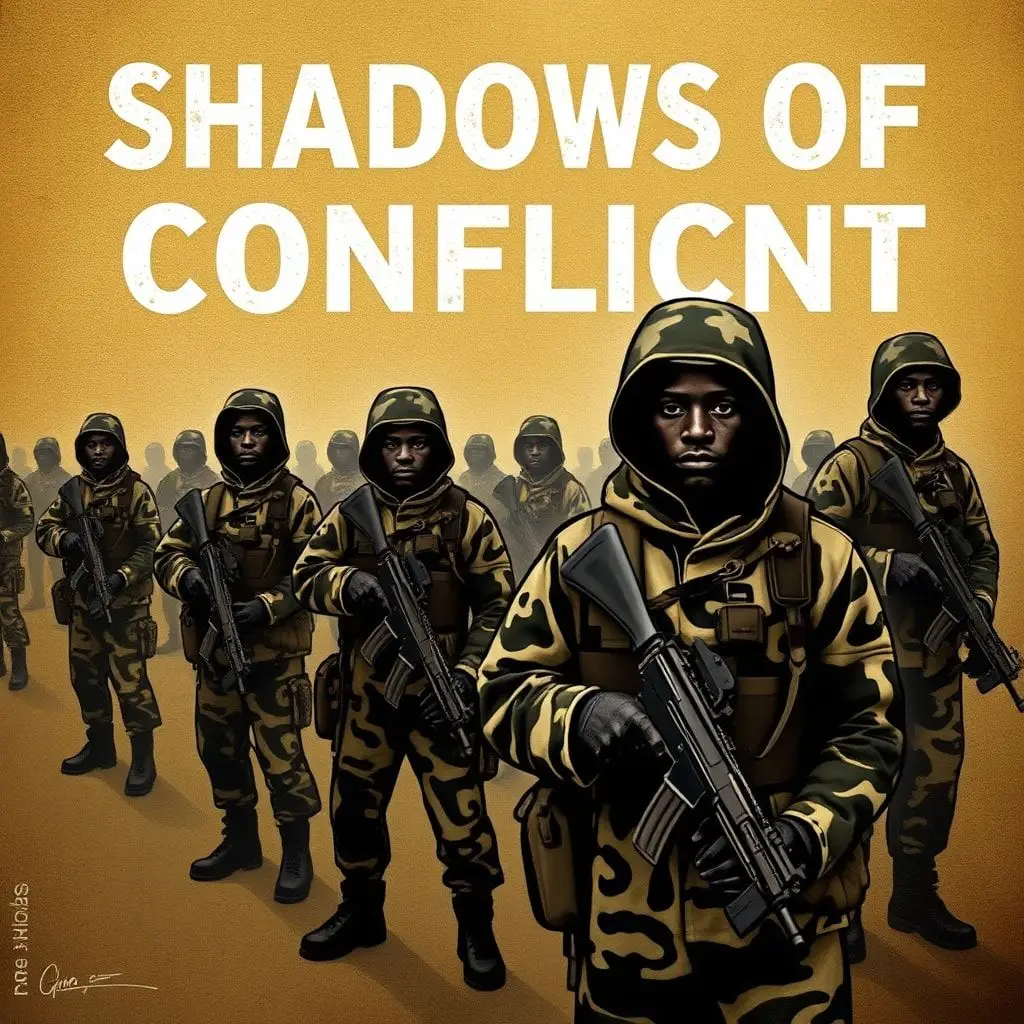

In a development sending ripples across East Africa and beyond, reports allege the recruitment of approximately 1,000 Kenyan nationals to fight for Russia in its ongoing war against Ukraine. This revelation, while requiring rigorous independent verification amidst the fog of war, highlights a concerning trend: conflicts increasingly draw in individuals from distant nations, often driven by a complex interplay of economic desperation, geopolitical aspirations, and the perilous promise of a better life. As a senior investigative journalist, this report meticulously unpacks the layers surrounding these allegations, exploring potential motivations, strategic implications, and the profound humanitarian and ethical quandaries arising when citizens from neutral nations become entangled in distant global conflicts. The scale of this reported recruitment, if confirmed, signifies a disturbing trend where economic vulnerabilities in one part of the world are exploited to fuel military objectives thousands of miles away, raising critical questions about international law, human rights, and the true cost of proxy warfare. This article will delve into Kenya’s socio-economic pressures, Russia’s broader recruitment strategies, geopolitical fallout, and the ethical considerations demanding immediate global attention.
The Genesis of a Shadow Army: Unpacking Recruitment Motivations
The notion of 1,000 Kenyans joining a foreign army in a major international conflict prompts immediate inquiry into the root causes and recruitment mechanisms. Kenya, like many developing nations, faces persistent socio-economic challenges, including high youth unemployment and underemployment. For many young Kenyans, particularly those in marginalized communities or those who have completed education but found no viable economic pathways, the promise of gainful employment—even in a war zone—can appear as a desperate, yet viable, option. Recruiters, often operating through opaque channels, exploit these vulnerabilities, offering substantial financial remuneration, citizenship prospects, or an escape from their current predicaments. Social media platforms and informal networks frequently serve as conduits, disseminating carefully curated messages highlighting benefits while downplaying extreme dangers. While specific contract terms remain unknown, historical precedents suggest agreements involve significant payment relative to local wages, alongside promises of security and a new beginning. The absence of robust oversight and porous international borders further facilitate these movements, making it challenging for national authorities to track or intercept individuals seeking opportunities abroad, regardless of the risks. Such desperation underscores the profound socio-economic factors driving individuals into perilous foreign service.
Russia’s Global Recruitment Drive: A Strategic Imperative
Russia’s reported recruitment of Kenyan nationals is not an isolated incident but indicative of a broader, aggressive strategy to bolster its military ranks with foreign fighters. Facing significant attrition and complexities of sustained domestic mobilization, Moscow has increasingly turned to foreign nationals from Central Asian republics, African nations, and former Soviet bloc countries. This approach serves multiple strategic objectives. Firstly, it allows Russia to replenish forces without relying solely on domestic conscription, which can be politically unpopular and logistically challenging. Secondly, foreign fighters can be deployed into high-risk combat zones, effectively shielding Russian regular forces from the heaviest casualties. Thirdly, it adds a layer of deniability or obfuscation, making it harder to attribute actions directly to the Russian state, especially with groups like the Wagner Group, known for operating in various African nations. Recruitment drives blend economic incentives, ideological appeals (less so for economic migrants), and leverage existing geopolitical ties. The presence of Russian military instructors and security contractors in several African countries provides an established network potentially exploited for recruitment, creating a pipeline for individuals seeking military careers or economic advancement. This strategy reflects a pragmatic, albeit ethically controversial, adaptation to prolonged conflict demands, highlighting Russia’s determination to sustain military operations through diverse means.
Geopolitical Tremors: Kenya’s International Standing at Stake
The alleged involvement of Kenyan citizens in the Ukraine conflict carries significant geopolitical ramifications for Nairobi. Kenya prides itself on its non-aligned foreign policy, its role as a regional peacebroker, and strong diplomatic ties with both Western nations and emerging global powers. This revelation threatens to complicate these delicate relationships. Western allies, particularly the United States and European Union members, who have imposed extensive sanctions on Russia and support Ukraine, may view this development with concern, potentially impacting aid, trade, and diplomatic cooperation with Kenya. Nairobi could face pressure to publicly condemn such recruitment and implement stricter measures to prevent its citizens from participating in foreign wars. Conversely, Russia might leverage the presence of Kenyan fighters to strengthen its narrative. The situation also poses challenges to Kenya’s domestic stability, potentially fueling internal debates about national sovereignty, citizen welfare abroad, and governmental capacity to protect its populace from external recruitment. Balancing these competing pressures will require astute diplomacy and a clear articulation of Kenya’s national interests. The immediate challenge for the Kenyan government will be to ascertain the reports’ veracity and formulate a coherent response upholding international obligations while addressing underlying issues making its citizens susceptible to recruitment.
The Human Cost and Ethical Quandaries
Beyond geopolitical considerations, the reported recruitment of Kenyan nationals casts a long shadow over fundamental human rights and ethical principles. Individuals fighting in foreign conflicts, especially when recruited through non-state channels or as mercenaries, often operate in a legal grey area. They may not be afforded the protections granted to regular soldiers under international humanitarian law, such as prisoner of war status if captured. Their families back home face immense psychological distress, uncertainty, and often, a lack of official channels for seeking information or assistance. The dangers are palpable: combat deaths, serious injuries, psychological trauma, and potential for abandonment or exploitation. Ethically, the participation of citizens from a neutral country in a war of aggression raises profound questions about complicity and moral responsibility. While individual choice is a factor, systemic vulnerabilities pushing individuals towards such perilous paths cannot be ignored. The international community must address the root causes of such recruitment, including global economic inequalities and inadequate protections against illicit practices. Furthermore, governments whose citizens are recruited face a moral imperative to educate their populations about risks, offer alternative economic opportunities, and collaborate internationally to dismantle recruitment networks. Tragically, those seeking a better life often find themselves in situations where life itself is cheap, underscoring the urgent need for a more robust global framework to prevent the exploitation of vulnerable populations in conflict zones.
Verification Challenges and the Information War
Confirming the exact number and circumstances of foreign fighters in a conflict as complex as the Russia-Ukraine war presents significant investigative challenges. Both sides engage in information warfare, where narratives are carefully constructed, and verifiable facts are often scarce. Reports of foreign fighters can be amplified or downplayed depending on strategic objectives. Independent verification relies on fragmented evidence: social media posts, testimonials from defectors or prisoners, intelligence reports, and on-the-ground reporting. Anonymity from informal recruitment networks further complicates efforts to track individuals and verify claims. Kenya’s government and international organizations must navigate this landscape carefully, distinguishing between credible intelligence and propaganda. The lack of transparent communication regarding these recruits means their welfare, location, and potential return remain largely unknown, adding to family distress and complicating repatriation efforts. The inherent difficulties in verifying such reports necessitate a cautious approach, focusing on corroborating evidence from multiple, independent sources, while acknowledging the profound human impact regardless of exact figures. This scenario underscores independent journalism’s critical role in sifting through noise to bring forth verifiable truths in an age of pervasive disinformation.
Conclusion: A Call for Global Accountability
The alleged recruitment of 1,000 Kenyans to fight for Russia in Ukraine is more than a headline; it is a symptom of deeper global pathologies—economic disparity, geopolitical maneuvering, and the exploitation of human vulnerability. This investigative report has illuminated the multi-faceted dimensions of this concerning development: from the dire economic circumstances pushing individuals into perilous ventures, to the strategic calculations of a global power, and the profound ethical dilemmas posed by a conflict increasingly reliant on foreign manpower. The implications for Kenya’s international standing, the humanitarian crisis for individuals and families, and the broader principles of international law are immense. As the conflict grinds on, the international community, including Kenya, must confront these realities with urgency and resolve. This necessitates not only robust efforts to verify these claims and protect citizens but also a concerted push to address the underlying socio-economic drivers that make recruitment into foreign conflicts an appealing, albeit tragic, option for many. Ultimately, this situation serves as a powerful reminder of our world’s interconnectedness, where conflicts in one region ripple across continents, drawing in individuals and nations alike, and underscoring the urgent need for global accountability, peace, and equitable development.