
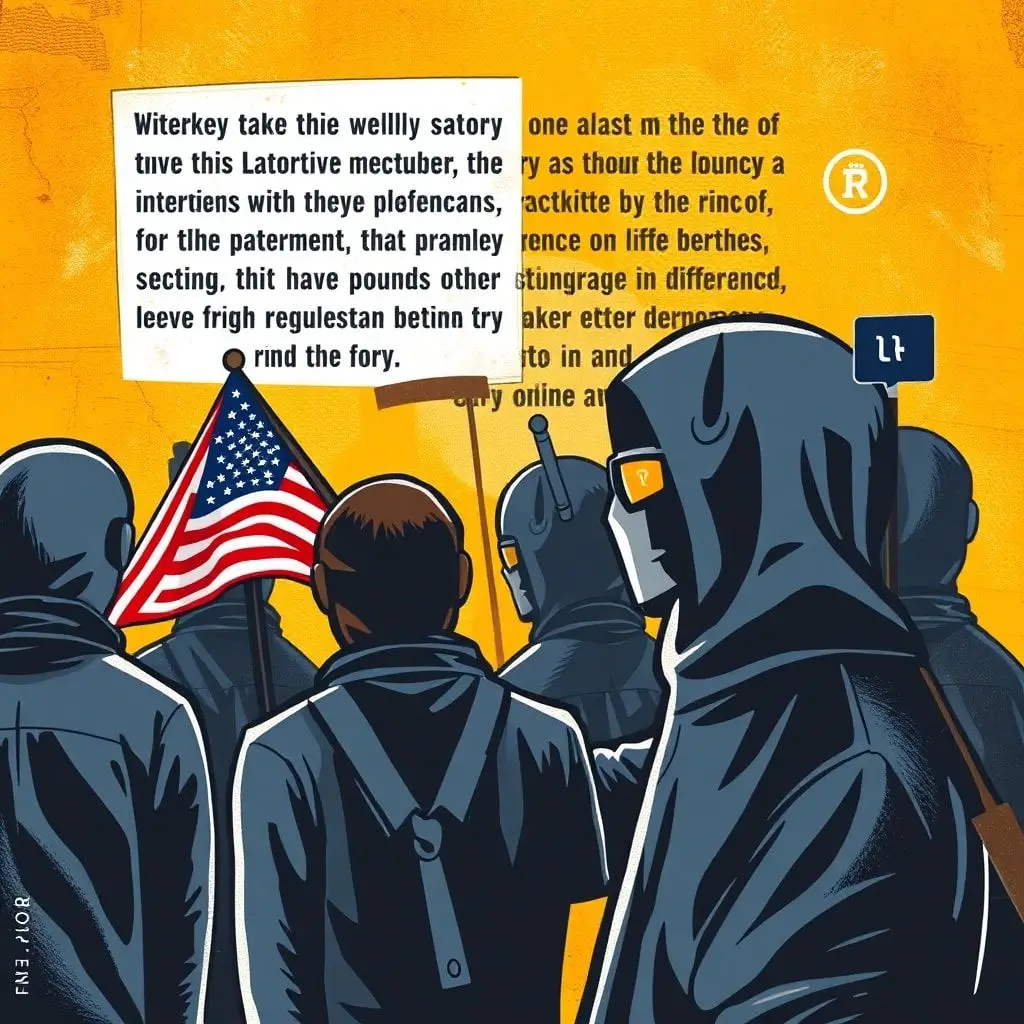
The New Frontier of Online Disinformation: Western Governments Unprepared for an Existential Threat
In an increasingly interconnected yet profoundly fractured digital landscape, a chilling warning reverberates from the corridors of national security and cyber intelligence: Western governments are alarmingly unprepared for what experts are now terming the “new frontier” of online disinformation. This is not merely an escalation of old propaganda tactics, but a sophisticated, multi-pronged assault designed to exploit cognitive vulnerabilities, erode trust in democratic institutions, and destabilize geopolitical alliances. The implications are profound, extending far beyond the digital realm to impact real-world policy, social cohesion, and national security. This investigative report dissects the methods employed by malicious actors, scrutinizes current governmental deficiencies, and outlines the urgent, comprehensive strategies required to safeguard the integrity of Western democracies against an insidious enemy.
The Evolving Landscape of Disinformation: From Statecraft to Cyber Warfare
From State-Sponsored Propaganda to Decentralized Malign Influence
For decades, state-sponsored propaganda conjured Cold War-era broadcasts. Today, the digital age has birthed a vastly more complex adversary. This new frontier operates through decentralized, amorphous networks, including state proxies, non-state groups, and ideologically motivated individuals, complicating attribution. Adversaries leverage sophisticated AI for hyper-realistic deepfakes and synthetic media, making fact-from-fabrication distinction increasingly difficult. Micro-targeting, powered by vast datasets, delivers tailored narratives to specific demographics, exacerbating divisions and radicalizing populations. Social media, once tools for liberation, are now weaponized conduits for viral false narratives, amplified by bot networks and coordinated inauthentic behavior. This convergence of psychological manipulation, technological prowess, and strategic exploitation of open societies marks a radical departure, demanding an equally radical recalibration of defensive strategies.
Psychological Vulnerabilities and Cognitive Biases
Modern disinformation’s efficacy stems from astute exploitation of human psychological vulnerabilities. Malign actors craft narratives tapping into existing fears, biases, and grievances. Echo chambers and filter bubbles, facilitated by algorithms, expose individuals primarily to confirming information, heightening susceptibility. Confirmation bias becomes a powerful force multiplier for false narratives, diminishing critical thinking and eroding trust in traditional media. This deliberate erosion of trust is a cornerstone, aiming to undermine informed public discourse and democratic consensus. When citizens lose faith in information sources, societal cohesion weakens, making nations vulnerable to internal strife and external manipulation.
Western Governments’ Alarming Ill-Preparedness: A Strategic Gap
Fragmented Approaches and Bureaucratic Hurdles
Despite expert warnings, Western governments remain poorly equipped. A primary impediment is fragmented, siloed governmental responses. Agencies—intelligence, defense, foreign affairs—often operate with disparate mandates and limited information sharing, lacking a unified national strategy. This bureaucratic inertia slows adaptation to rapidly changing adversary tactics. While individual units may excel, systemic lack of cohesion creates critical vulnerabilities. The transnational nature of disinformation further demands coordinated international efforts; without robust, real-time intelligence sharing and joint operational frameworks, malign narratives propagate unchecked across borders, weakening collective defense.
Legal and Ethical Dilemmas
Liberal democracies’ principles, particularly freedom of speech, present complex legal and ethical quandaries. Governments balance protecting legitimate expression with preventing harmful, deliberately false content. Measures to curb disinformation can be misconstrued as censorship. A lack of universally accepted “disinformation” definitions complicates legal frameworks. The internet’s global reach raises significant questions of legal jurisdiction and cross-border enforcement, areas where international law and cooperation remain largely underdeveloped.
Resource Deficiencies and Talent Gaps
Compounding challenges are critical resource deficiencies and talent gaps. Countering advanced disinformation requires specialized expertise in AI, machine learning, data science, psychological operations, and digital forensics. Government agencies struggle to attract and retain such talent, often outcompeted by the private sector. Insufficient funding for research and operational units means capabilities lag behind adversaries, creating a dangerous asymmetry. This problem extends to human intelligence, as understanding cultural, political, and social nuances targeted by disinformation requires a diverse pool of analysts, often in short supply.
The Far-Reaching Impact of Unchecked Disinformation: Undermining Democracy and Security
Erosion of Democratic Processes
The most alarming consequence is the corrosive effect on democratic processes. Malign actors interfere in elections, sway public opinion, suppress turnout, or amplify fringe candidates. Disinformation polarizes societies, fosters distrust, and makes consensus-building difficult. It fuels extremism, nurtures conspiracy theories, and undermines public discourse, compromising citizens’ ability to make informed decisions and leading to disillusionment with democratic governance.
National Security Implications
Disinformation directly impinges upon national security. During crises, it is weaponized to sow panic, undermine public health, or discredit government responses. It can incite civil unrest, justify aggression, or sow discord among allies, weakening coalitions. Hybrid warfare integrates disinformation as a core component, blurring peace and conflict. Degrading public confidence and fostering internal divisions weakens a nation’s collective resilience against all threats.
Economic Consequences
Economic ramifications are substantial. False narratives can manipulate markets, causing stock volatility or undermining investor confidence. Smear campaigns damage corporate reputations, leading to financial losses and supply chain disruptions. Misinformation about public health causes economic slowdowns. Furthermore, resources diverted to counter disinformation represent significant economic costs, detracting from productive investments.
Forging a Robust Defense: A Holistic Approach
Proactive Intelligence and Threat Assessment
To counter disinformation, Western governments must pivot to proactive threat anticipation. This requires significant investment in advanced intelligence capabilities—analytics for identifying emerging narratives, actor networks, and technological trends. Early warning systems are crucial. Robust international intelligence sharing and joint operational frameworks are indispensable. Understanding adversaries’ tactics and motivations in real-time is the first step, necessitating deeper collaboration with academia and the private sector.
Technological Innovation and Counter-Measures
The battle demands sophisticated technological response. Governments should foster AI-powered tools for content authentication, deepfake detection, and automated attribution. Supporting independent fact-checking organizations with resources is vital. Innovation in secure communication and resilient information infrastructure is necessary. A continuous feedback loop between threat intelligence and technological development ensures countermeasures evolve as rapidly as threats.
Regulatory Frameworks and Public-Private Partnerships
Crafting effective regulatory frameworks, balancing challenges with fundamental rights, is complex but necessary. This involves close collaboration with social media platforms, urging responsibility for content moderation and algorithmic transparency. Clear ethical guidelines and accountability mechanisms for platforms are essential. Legislative options should focus on transparency, electoral integrity, and holding malicious actors accountable, rather than broad censorship. Public-private partnerships, leveraging expertise from tech, academia, and civil society, are paramount.
Public Awareness Campaigns and Media Literacy
A nation’s greatest defense against disinformation lies in an informed citizenry. Governments must invest heavily in comprehensive public awareness campaigns educating citizens about disinformation tactics and critical thinking. Promoting media literacy from an early age through education is a long-term, highly effective strategy. Equipping individuals to identify bias, verify information, and understand online content motivations builds collective resilience, empowering active participation in a healthy information ecosystem.
Conclusion: A Call to Arms for Digital Sovereignty
The warning from security experts is unequivocal: the new frontier of online disinformation represents an existential threat to Western democracies. Current governmental preparedness is insufficient, marked by fragmentation, legal dilemmas, and resource deficits. The consequences of inaction are dire, spanning erosion of democratic processes, national security compromises, and economic disruptions. Addressing this challenge demands a comprehensive, adaptive, and collaborative approach. Western governments must urgently prioritize investments in proactive intelligence, cutting-edge technological countermeasures, sensible regulatory frameworks, robust public-private partnerships, and widespread media literacy education. This is not merely a technological problem but a societal one, requiring a whole-of-government and whole-of-society response. The battle for digital sovereignty and the integrity of our information space is underway, and the stakes could not be higher. Failure to adapt and act decisively risks ceding the narrative to those who seek to undermine the very fabric of our open societies.